


No products in the cart.
Industry News
An Importer’s Guide to Sourcing Sustainable Bulk Woven Baskets
01
Jul
Jul
As sustainability continues to reshape global retail, woven baskets have evolved from simple storage accessories into highly sought-after lifestyle products. Today, retailers, wholesalers, home décor brands, and hospitality suppliers increasingly incorporate woven baskets into their product portfolios to meet consumer demand for functional, eco-friendly, and aesthetically appealing home goods.
For importers, sourcing bulk woven baskets is no longer just about finding the lowest price. Success depends on selecting products made from sustainable materials, partnering with experienced manufacturers, and establishing a supply chain capable of delivering consistent quality over the long term. Every purchasing decision—from material selection and craftsmanship to quality assurance and production planning—can directly influence profitability, customer satisfaction, and brand reputation.
Vietnam has emerged as one of the world’s leading manufacturing hubs for handcrafted woven baskets thanks to its abundant natural resources, highly skilled artisans, and extensive export experience. Businesses sourcing wholesale woven baskets from Vietnam benefit from competitive manufacturing costs while gaining access to products that reflect generations of traditional craftsmanship and modern production standards.
Whether you are introducing a new home décor collection, expanding your retail assortment, or developing a private label brand, understanding the sourcing process is essential. This guide explores the key considerations every importer should evaluate before purchasing woven baskets in bulk, helping you build stronger supplier relationships, reduce sourcing risks, and create long-term value for your business.
Why Bulk Woven Baskets Are Growing in Global Retail Markets
Over the past decade, consumer purchasing behavior has shifted dramatically toward products that combine sustainability, practicality, and timeless design. This transformation has positioned woven baskets as one of the fastest-growing categories within the global home décor and storage market. Unlike trend-driven decorative products that often experience short life cycles, woven baskets continue to maintain steady demand because they provide practical solutions while complementing a wide range of interior design styles.
Retailers have also recognized that woven baskets appeal to multiple customer segments simultaneously. Homeowners use them to organize living spaces, interior designers incorporate them into styling projects, and hospitality businesses rely on them for guest amenities and decorative displays. This broad application allows retailers to maximize inventory efficiency while expanding cross-selling opportunities throughout their product collections.
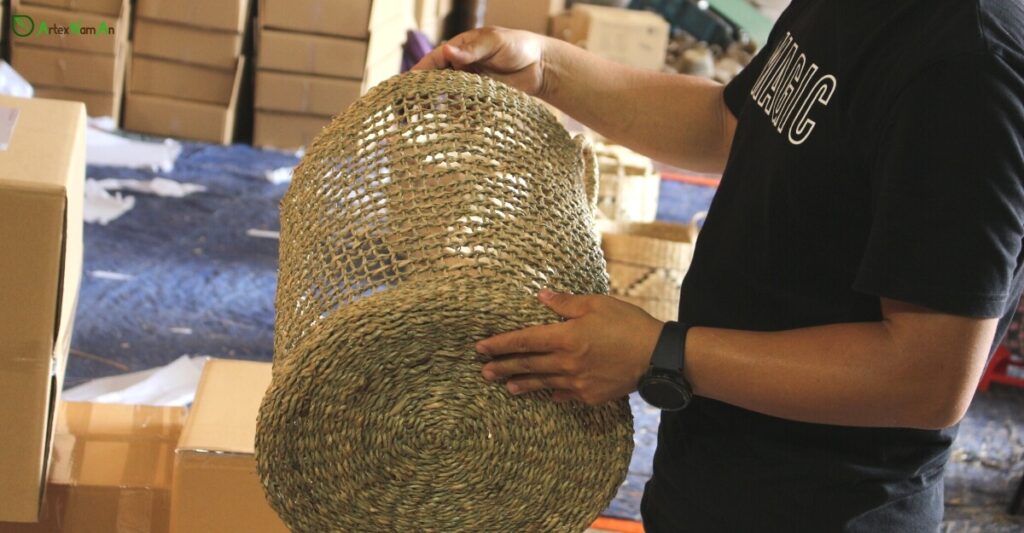
Why Bulk Woven Baskets Are Growing in Global Retail Markets
The increasing popularity of minimalist, Scandinavian, Japandi, coastal, and farmhouse-inspired interiors has further accelerated demand for natural woven products. Consumers are replacing synthetic storage containers with handcrafted alternatives that introduce warmth, texture, and authenticity into their homes. This trend is particularly evident across North America, Europe, Australia, and Japan, where environmentally conscious purchasing continues to influence buying decisions.
For importers, investing in bulk woven baskets offers advantages beyond meeting current consumer trends. These products generally have relatively stable year-round demand, reducing dependence on seasonal sales cycles. Their versatility allows retailers to merchandise them across multiple departments, including home organization, laundry, kitchen storage, giftware, garden accessories, and lifestyle décor. This flexibility helps businesses increase product turnover while improving inventory utilization.
Another factor contributing to market growth is the rising demand for sustainable alternatives to plastic storage products. Governments, retailers, and consumers alike are placing greater emphasis on reducing plastic waste and supporting renewable materials. Woven baskets produced from natural fibers align perfectly with these objectives, making them increasingly attractive to environmentally responsible brands seeking long-term product categories rather than short-term trends.
For businesses purchasing woven basket wholesale, this market evolution presents an opportunity to build collections that remain commercially relevant for years. Instead of constantly chasing changing consumer preferences, retailers can establish product lines based on natural materials, timeless craftsmanship, and functional design—qualities that consistently resonate across global markets.
Why Sustainability Matters When Buying Bulk Woven Baskets
Sustainability has become one of the defining factors influencing purchasing decisions throughout the global home furnishings industry. For importers, sustainability is no longer simply a marketing message—it has become an important purchasing criterion that affects supplier selection, product development, and long-term brand positioning.
Consumers increasingly expect transparency regarding where products originate, how they are manufactured, and whether the materials used can be responsibly replenished. Retailers therefore need manufacturing partners capable of demonstrating sustainable sourcing practices rather than simply claiming environmental responsibility.
Natural woven baskets provide a significant advantage in this regard because they are commonly produced using renewable plant fibers such as rattan, seagrass, bamboo, and water hyacinth. Unlike petroleum-based plastics, these materials regenerate naturally and require significantly fewer industrial processes during production. Their biodegradable properties also support circular economy initiatives that many retailers are now incorporating into their sustainability strategies.
Beyond environmental benefits, sustainability contributes directly to product quality. Skilled artisans working with carefully selected natural materials typically create baskets that offer superior durability, craftsmanship, and visual character compared with mass-produced synthetic alternatives. Each woven piece reflects subtle variations in texture and color that consumers increasingly associate with authenticity and handmade quality.
For businesses investing in woven basket bulk, sustainability also provides a competitive advantage. Products made from responsibly sourced natural fibers often command stronger customer loyalty because they align with modern consumer values. This enables retailers to strengthen their brand image while differentiating themselves from competitors offering generic plastic storage solutions.
Importers should also recognize that sustainability extends beyond raw materials. Ethical manufacturing practices, responsible labor conditions, efficient resource management, and long-term partnerships with artisan communities all contribute to building resilient supply chains. Manufacturers that invest in these areas are often better equipped to maintain consistent production quality and respond effectively to evolving international sourcing requirements.
Rather than viewing sustainability as an additional cost, successful retailers increasingly consider it an investment in long-term business resilience. By partnering with manufacturers committed to responsible production, businesses can build product collections that satisfy both commercial objectives and growing consumer expectations for environmentally conscious products.
Choosing the Right Materials for Bulk Woven Baskets
Material selection is one of the most important decisions when sourcing woven baskets in large quantities. While many products may appear similar at first glance, the type of natural fiber used significantly influences durability, functionality, aesthetics, maintenance requirements, and target market positioning. Understanding these characteristics allows importers to select products that better match customer expectations and intended applications.
Among the most widely used materials, rattan remains a preferred choice for premium woven basket collections. Known for its exceptional strength and flexibility, rattan allows artisans to create baskets with rigid structures capable of supporting heavier loads while maintaining elegant appearances. Its smooth surface and refined finish make it particularly suitable for upscale home décor retailers, boutique stores, and hospitality projects where premium presentation is essential.
Seagrass offers a softer texture and more relaxed visual appeal. Its natural golden tones complement contemporary interior styles and provide a handcrafted aesthetic that resonates with consumers seeking warm, organic living spaces. Because of its flexibility, seagrass is commonly used for storage baskets, decorative containers, and lifestyle accessories intended for everyday household use.
Water hyacinth has gained considerable popularity as an environmentally responsible material due to its rapid growth and renewable nature. Its distinctive woven texture creates visually rich products that appeal to consumers looking for handcrafted character. Water hyacinth baskets frequently appear in home organization collections, decorative displays, and retail merchandising because they successfully combine functionality with sustainable design.
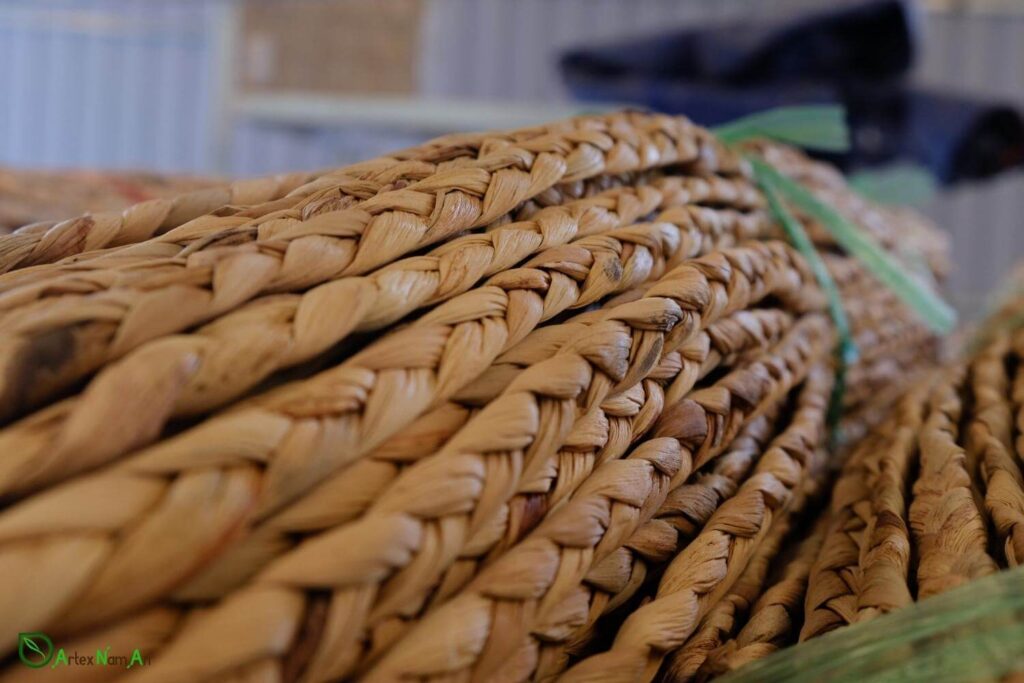
Water hyacinth wicker baskets bulk weaving material
Bamboo introduces another dimension to woven basket manufacturing by providing excellent structural stability and exceptional sustainability credentials. As one of the world’s fastest-growing renewable resources, bamboo supports environmentally responsible production while contributing impressive strength to larger basket designs. Products incorporating bamboo often perform particularly well within minimalist and contemporary retail collections.
Many experienced manufacturers also combine multiple natural fibers within a single product to balance aesthetics, durability, and production efficiency. A basket may feature a sturdy bamboo frame, flexible rattan reinforcement, and decorative seagrass weaving to maximize both performance and visual appeal. These thoughtful material combinations allow retailers to offer products that meet diverse customer expectations while maintaining competitive pricing.
When evaluating suppliers for wholesale woven baskets, importers should look beyond appearance alone. Understanding how each material performs under daily use, varying climates, and long-term storage conditions enables businesses to make more informed purchasing decisions. Working with an experienced manufacturer capable of recommending appropriate materials for different retail applications ultimately reduces product issues, improves customer satisfaction, and strengthens long-term sourcing success.
How to Evaluate a Woven Basket Wholesale Manufacturer
Choosing the right manufacturing partner is one of the most important decisions an importer can make. While attractive pricing may initially capture attention, successful sourcing is built on much more than cost alone. A dependable manufacturer contributes directly to product quality, supply chain stability, customer satisfaction, and ultimately the long-term growth of your business.
When evaluating a supplier for bulk woven baskets, importers should look beyond product catalogs and marketing materials. Instead, the focus should be on understanding the manufacturer’s production capabilities, quality management system, customization expertise, and ability to support long-term business relationships.
One of the first factors to consider is manufacturing experience. A supplier with years of experience producing woven baskets has likely developed standardized production processes, skilled artisan teams, and quality control procedures that reduce manufacturing inconsistencies. Experienced manufacturers also understand the expectations of international buyers, making communication smoother throughout product development and order fulfillment.
Equally important is the diversity of materials the manufacturer can work with. A capable supplier should be able to recommend the most suitable materials based on your product objectives rather than simply producing whatever is requested. For example, premium retail collections may benefit from rigid rattan construction, while decorative home accessories may be better suited to softer seagrass or water hyacinth. Manufacturers with expertise across multiple natural materials can help buyers optimize both product performance and production costs.
Production capacity is another critical consideration. Retail businesses often experience seasonal demand fluctuations, promotional campaigns, or rapid sales growth that require suppliers capable of scaling production efficiently. A manufacturer should be able to provide realistic lead times while maintaining consistent product quality across every production batch. Capacity planning becomes particularly important when businesses transition from trial orders to long-term sourcing programs.
Communication should never be overlooked during supplier evaluation. Importers benefit greatly from manufacturers that provide timely updates, transparent production schedules, and proactive problem-solving throughout the sourcing process. Delays, material shortages, or design adjustments are inevitable in manufacturing, but experienced suppliers communicate these challenges early and work collaboratively to develop practical solutions.
Export experience is equally valuable. Manufacturers familiar with international trade understand packaging requirements, shipping documentation, customs procedures, and destination market regulations. This expertise reduces administrative complexity for buyers while minimizing the risk of shipping delays or compliance issues.
Finally, importers should evaluate whether the supplier views the relationship as a long-term partnership rather than a single transaction. Manufacturers that invest time in understanding your brand, product strategy, and future growth plans are generally better positioned to support business expansion over time. Strong partnerships create opportunities for continuous product improvement, faster development cycles, and more efficient sourcing operations.
Ultimately, selecting the right woven basket wholesale manufacturer is about balancing quality, reliability, flexibility, and long-term collaboration. A supplier that consistently performs well across these areas becomes a valuable extension of your own business rather than simply another vendor.
OEM and Private Label Opportunities
As competition within the home décor industry continues to intensify, retailers increasingly recognize that exclusive product collections provide a significant competitive advantage. Consumers are constantly searching for products that feel distinctive, authentic, and aligned with individual brand identities. This growing demand has made OEM and private label manufacturing an essential component of successful sourcing strategies.
Rather than purchasing products that are widely available across multiple retailers, businesses can collaborate directly with manufacturers to develop collections tailored specifically to their target customers. This approach not only strengthens brand recognition but also reduces direct price competition by offering products that cannot easily be replicated by competitors.
For businesses sourcing wholesale woven baskets, customization begins long before production starts. Successful manufacturers work closely with buyers to understand their market positioning, preferred product styles, customer demographics, and commercial objectives. These early discussions help transform initial concepts into commercially viable collections that reflect both market trends and brand identity.
Customization opportunities extend well beyond simply changing dimensions. Buyers can develop exclusive basket shapes, modify weaving techniques, combine multiple natural materials, select unique color finishes, incorporate decorative accents, or create coordinated product families that complement one another. Even subtle design adjustments can significantly differentiate a retail collection from standard catalog products.

Natural woven baskets buy baskets in bulk
Private label services further enhance brand value by allowing retailers to present products under their own identity. Custom labels, branded hang tags, product packaging, barcode integration, care instructions, and retail-ready presentation all contribute to creating a professional customer experience. These details may appear small individually, but together they strengthen brand consistency and improve consumer perception.
An experienced manufacturer also provides valuable support during product development. Instead of moving directly into mass production, professional suppliers typically recommend prototype development and sample evaluation. This stage allows buyers to assess structural integrity, weaving consistency, material appearance, dimensions, and finishing details before committing to larger production runs.
Product development should be viewed as a collaborative process rather than a simple transaction. Design refinements often emerge during sampling as manufacturers contribute practical recommendations based on production experience and material behavior. Small modifications to handle placement, weave density, structural reinforcement, or material combinations frequently result in products that perform better in real-world retail environments.
Another important advantage of OEM manufacturing is scalability. As product demand increases, an experienced manufacturer can replicate approved specifications across larger production volumes while maintaining consistency. This scalability enables retailers to expand successful collections confidently without sacrificing quality or brand integrity.
For businesses investing in woven basket bulk, OEM and private label services provide more than product customization—they create opportunities to establish distinctive product identities that strengthen customer loyalty and support long-term business growth.
Quality Control Standards Every Importer Should Expect
Consistent quality is one of the defining characteristics of successful wholesale sourcing. While attractive product photography and competitive pricing may influence initial purchasing decisions, long-term business relationships depend on whether products consistently meet customer expectations across every shipment.
Quality control should therefore be viewed as a continuous manufacturing process rather than a final inspection conducted immediately before shipping. Experienced woven basket manufacturers implement quality management systems throughout every production stage to identify potential issues before they affect finished products.
The process begins with raw material inspection. Natural fibers such as rattan, bamboo, seagrass, and water hyacinth vary naturally in texture, thickness, flexibility, and moisture content. Careful material selection ensures that only fibers meeting established quality standards enter production, helping improve consistency throughout the manufacturing process.
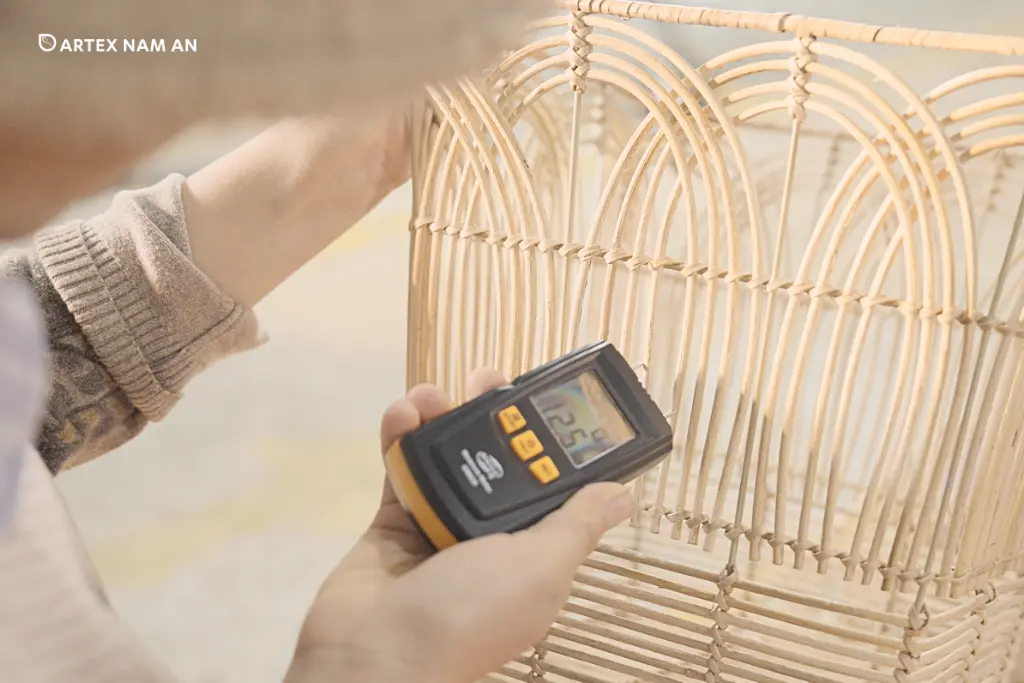
Quality Control Standards Every Importer Should Expect
Once weaving begins, ongoing inspections become equally important. Supervisors should regularly evaluate structural integrity, weave density, symmetry, dimensional accuracy, and finishing quality. Identifying minor inconsistencies during production allows corrective actions to be implemented immediately, preventing defects from affecting entire production batches.
Finished baskets should then undergo comprehensive inspection before packaging. Importers typically expect manufacturers to verify dimensions, structural stability, surface appearance, color consistency, handle strength, and overall craftsmanship. Products should also be inspected for loose fibers, sharp edges, uneven weaving, or cosmetic imperfections that could negatively influence consumer perception.
Packaging quality is another frequently overlooked aspect of quality assurance. Improper packaging may result in product deformation, moisture exposure, or transportation damage despite excellent manufacturing quality. Professional exporters therefore develop packaging solutions specifically designed to protect woven products throughout international shipping and warehouse storage.
Many international buyers also request third-party inspections prior to shipment. Independent inspection agencies provide objective assessments that verify production quality against agreed specifications before containers leave the factory. This additional verification provides buyers with greater confidence while reducing the likelihood of receiving unexpected product variations.
Documentation further strengthens quality management by creating consistency across future orders. Detailed production specifications, approved reference samples, material records, and inspection reports enable manufacturers to reproduce successful products accurately even months or years after initial production. This systematic documentation becomes particularly valuable for retailers managing long-term product collections across multiple seasons.
Ultimately, effective quality control is not simply about identifying defects—it is about creating manufacturing systems that consistently prevent them. Importers who partner with manufacturers committed to comprehensive quality management typically experience fewer product issues, stronger customer satisfaction, lower return rates, and greater confidence when expanding their purchasing programs.
For businesses sourcing bulk woven baskets, consistent quality is not merely an operational objective; it is a competitive advantage that directly supports long-term retail success.
Shipping, MOQ, and Production Planning for Bulk Woven Basket Orders
Once you’ve selected the right manufacturing partner, efficient production planning becomes the next critical step in ensuring a successful sourcing experience. For importers purchasing bulk woven baskets, understanding minimum order quantities, production timelines, and international shipping requirements can significantly reduce costs while improving inventory management.
Minimum Order Quantity (MOQ) is often one of the first topics discussed between buyers and manufacturers. While every supplier has different requirements, MOQ is generally influenced by product complexity, material availability, customization needs, and production efficiency. Standard basket designs typically require lower MOQs because the manufacturing process is already established, whereas custom OEM projects may involve higher minimum quantities to accommodate product development, tooling, and sourcing of specialized materials.
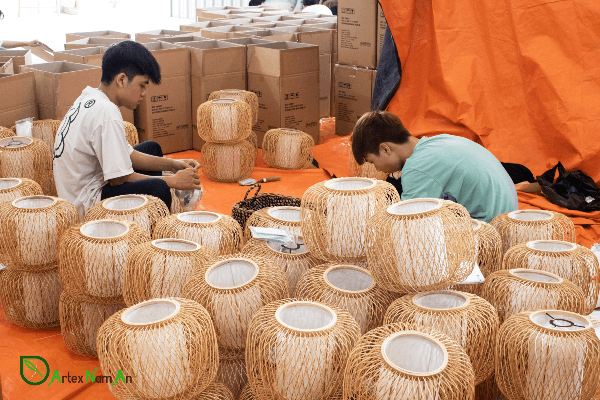
Lead time is another essential consideration, particularly for seasonal retailers. Handcrafted woven baskets require multiple production stages, including raw material preparation, weaving, finishing, quality inspection, and export packaging. Unlike machine-produced goods, handcrafted production depends heavily on artisan skills, making realistic scheduling essential for maintaining quality. Buyers planning holiday collections or seasonal product launches should place orders well in advance to ensure sufficient production capacity and timely delivery.
Shipping efficiency also plays a significant role in overall sourcing costs. Because woven baskets are lightweight but occupy considerable space, maximizing container utilization is essential. Experienced manufacturers often recommend nesting smaller baskets inside larger ones, allowing businesses to reduce shipping costs per unit while making better use of available container space. Proper packaging methods not only improve freight efficiency but also help protect products from deformation and moisture during long-distance transportation.
Production planning should extend beyond individual orders. Businesses that forecast demand and communicate purchasing schedules with their suppliers often enjoy more stable lead times, improved production priority, and greater flexibility during peak manufacturing seasons. Long-term production planning also enables manufacturers to prepare raw materials in advance, reducing the risk of unexpected delays caused by seasonal material availability.
Successful importers rarely view logistics as an isolated activity. Instead, they integrate production scheduling, quality inspections, inventory planning, and shipping coordination into a single sourcing strategy. This proactive approach helps minimize operational risks while ensuring products arrive on time and in excellent condition, allowing retailers to maintain consistent stock levels throughout the year.
Why Vietnam Is a Leading Destination for Woven Basket Wholesale
Over the past two decades, Vietnam has established itself as one of the world’s most respected sourcing destinations for handcrafted home décor products. Today, buyers from Europe, North America, Australia, Japan, and the Middle East increasingly choose Vietnam when searching for wholesale woven baskets because the country offers an exceptional balance of craftsmanship, sustainability, manufacturing flexibility, and export expertise.
One of Vietnam’s greatest strengths lies in its long-standing weaving tradition. For generations, artisan communities have developed sophisticated techniques for transforming natural materials such as rattan, bamboo, seagrass, and water hyacinth into durable, functional, and beautifully crafted products. This cultural heritage continues to shape modern manufacturing, allowing Vietnamese producers to preserve authentic craftsmanship while meeting international quality standards.
Vietnam also benefits from abundant natural resources. The availability of renewable plant fibers enables manufacturers to produce environmentally responsible products that align with growing consumer demand for sustainable home décor. Combined with responsible sourcing practices, these materials allow retailers to strengthen their sustainability initiatives without compromising product quality or design.
Another advantage is manufacturing flexibility. Unlike highly standardized production systems that focus primarily on mass manufacturing, many Vietnamese factories are experienced in handling both standard collections and customized OEM projects. This flexibility allows importers to develop exclusive product ranges, experiment with new designs, and respond more quickly to evolving market trends.
International trade experience further enhances Vietnam’s competitiveness. Manufacturers serving export markets understand global compliance requirements, shipping documentation, packaging standards, and logistics coordination. This expertise simplifies the sourcing process and provides buyers with greater confidence when importing products into diverse international markets.
Competitive manufacturing costs also continue to make Vietnam an attractive sourcing destination. While pricing should never be the sole deciding factor, businesses often discover that Vietnamese manufacturers offer an excellent balance between affordability and craftsmanship. Rather than competing purely on cost, many suppliers focus on delivering greater overall value through superior product quality, responsive communication, and dependable long-term service.
As global retailers increasingly prioritize sustainable sourcing and responsible manufacturing, Vietnam’s reputation continues to strengthen. Businesses looking to build reliable supply chains often find that partnering with experienced Vietnamese manufacturers provides long-term advantages extending well beyond competitive pricing alone.
Why Global Buyers Choose Artex Nam An
Finding the right supplier is about more than identifying a manufacturer capable of producing quality baskets. Importers need a partner who understands international business, communicates effectively, adapts to changing market requirements, and consistently delivers products that reflect their brand standards. At Artex Nam An, these principles form the foundation of every customer relationship.
With years of experience manufacturing handcrafted woven products, Artex Nam An specializes in developing collections that combine traditional Vietnamese craftsmanship with contemporary market trends. Our artisans work with carefully selected natural materials, including rattan, bamboo, seagrass, and water hyacinth, to create products that balance functionality, durability, and timeless design. Every basket reflects the skill and attention to detail that have defined Vietnamese handicrafts for generations.
Why Global Buyers Choose Artex Nam An
We understand that every business has different objectives. Some buyers require ready-to-order collections that can be introduced quickly to market, while others seek exclusive designs that strengthen their brand identity. Our OEM and private label services are designed to support both approaches, allowing customers to customize dimensions, weaving patterns, materials, colors, packaging, and branding elements according to their specific market requirements.
Quality remains central to everything we do. From raw material selection to final packaging, every stage of production is carefully managed to ensure consistency across each shipment. This systematic approach helps our customers reduce product returns, improve customer satisfaction, and maintain confidence in every order they place.
Equally important is our commitment to long-term collaboration. Rather than viewing sourcing as a series of individual transactions, we work closely with our clients to understand their business strategies, product development plans, and future growth objectives. This collaborative approach allows us to provide practical recommendations, improve production efficiency, and support sustainable business expansion over time.
For retailers, wholesalers, and importers seeking a dependable manufacturing partner, Artex Nam An offers more than handcrafted products. We provide manufacturing expertise, flexible production capabilities, export experience, and personalized support that help businesses build successful product collections for international markets.
Conclusion
Sourcing bulk woven baskets successfully requires more than selecting attractive products at competitive prices. It involves understanding material performance, evaluating manufacturing capabilities, implementing effective quality control, planning production schedules, and building long-term partnerships with suppliers that share your commitment to quality and sustainability.
As consumer demand for natural home décor continues to grow, businesses that invest in reliable sourcing strategies will be better positioned to deliver products that meet evolving market expectations. Working with experienced manufacturers not only improves product consistency but also creates opportunities for customization, stronger brand differentiation, and more resilient supply chains.
Vietnam has earned its reputation as a trusted sourcing destination by combining traditional craftsmanship with modern export expertise. For businesses seeking woven basket wholesale solutions, partnering with the right manufacturer can transform sourcing from a routine procurement activity into a long-term competitive advantage.
Read more: The Complete Guide to Sourcing High-Quality Willow Baskets Wholesale
You may also be interested in
Seagrass Material: 3 Highlights About Handicraft Production Process
Read more...Dec
Water Hyacinth: An Unusual Weaving Material For Wicker Baskets Bulk
Read more...Oct
Is Rattan Furniture Waterproof? What Water Does to Natural Rattan and How to Protect It
Read more...Sep
China Power Shortage Affect Manufacturing and Supply Chain in Q4 2021
Read more...Oct
3 Helpful Things You Should Know To Buy Wholesale Seagrass Baskets From Vietnam
Read more...Jun
Choosing Reliable Wall Decor Wholesale Suppliers for Retail and Home Décor Brands
Read more...Jul