


No products in the cart.
Industry News
Handicraft Business Ideas: Eleven Products and Models That Can Start Small and Grow
28
Sep
Sep
Most lists of handicraft business ideas stop at “make earrings and sell them online.” That works for a hobby, but it rarely becomes a business that pays a wage. The ideas that grow share a few things: the product sells for more than it costs to make, customers buy it again or buy it as a gift, and production can grow beyond one person’s hands. This guide groups handicraft business ideas by how they make money, from products you make yourself to models where you design and sell while skilled workshops produce. Each idea comes with the honest catch, because every one of them has one.
Handicraft Business Ideas You Can Make Yourself
Woven Baskets and Storage for the Home
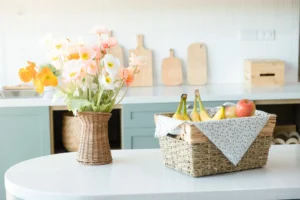
Baskets sell all year, for storage, plants, laundry and gifts. Natural fibres like seagrass, rattan and water hyacinth give them a look factory plastic cannot copy.
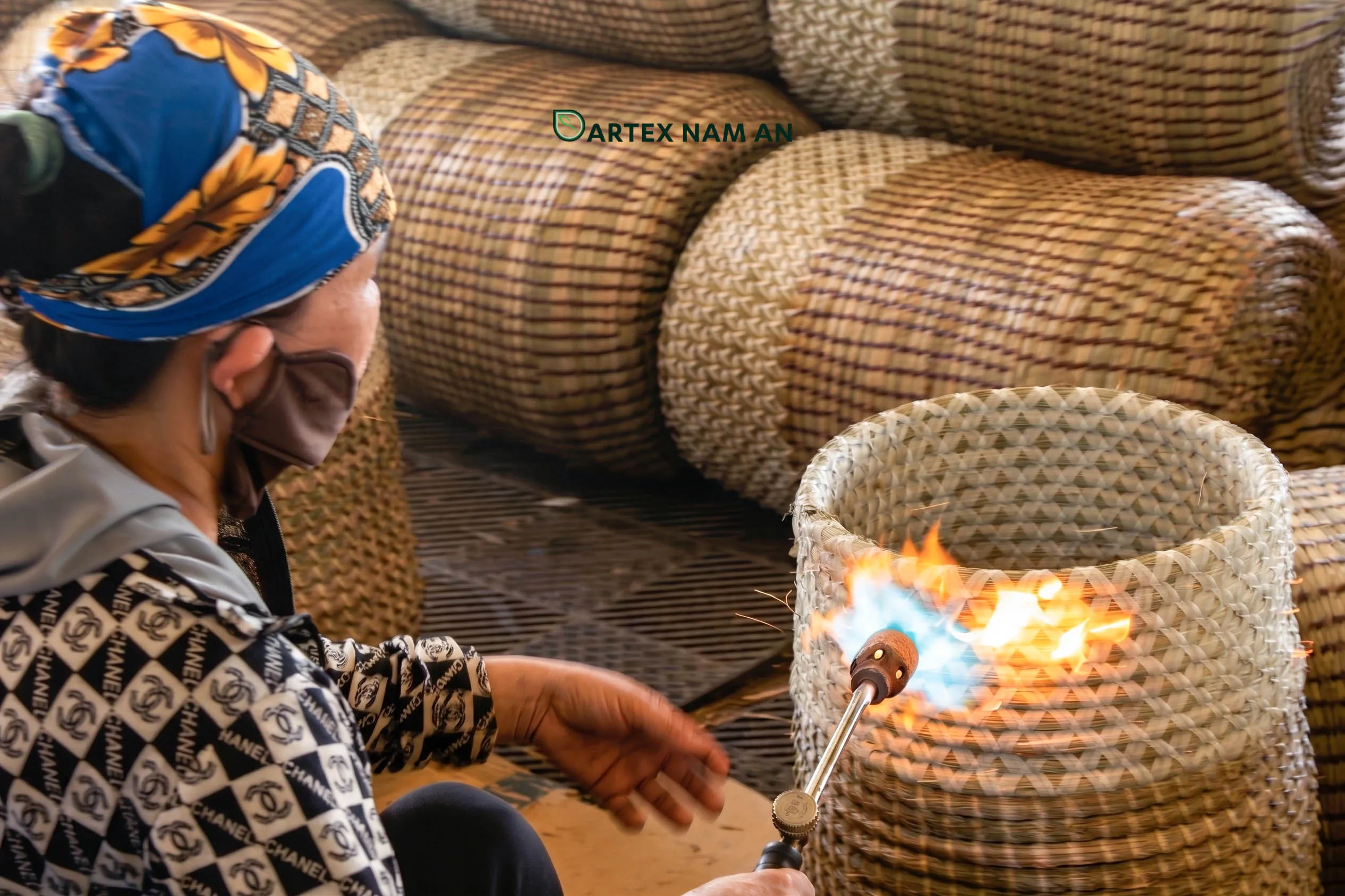
Handwoven Seagrass Laundry Basket
The catch: weaving takes time, so pricing must cover hours, not just materials.
Macramé Plant Hangers and Wall Hangings
Cotton cord is cheap, the technique is easy to learn and the products photograph well for social media. The catch: the market is crowded, so a distinct style matters. A signature knot pattern, natural dyed cord or a matching set of hangers and wall pieces helps a small maker stand out.
Hand Poured Candles in Natural Containers
Candles are bought again and again. Pouring them into coconut shells, wooden bowls or ceramic cups turns a simple product into a gift. The catch: fragrance, wick and burn testing take real work, and safety labelling rules apply in many markets.
Carved or Turned Wooden Kitchenware
Spoons, bowls, boards and trays sell well at markets and online. Mango and acacia wood are popular for their grain. The catch: food safe finishes are essential, and tools cost more than for most crafts.
Craft Businesses Built on Design
Many successful craft brands do not make every piece themselves. They design, brand and sell, while skilled artisans produce. This model grows far faster than a maker’s own hours allow.
A Private Label Home Decor Brand
Design a small collection of baskets, lampshades or trays, have it produced by a workshop or factory, and sell it under your own brand online or to shops. The catch: you need enough capital for a first order and must manage quality from a distance.
Curated Gift Boxes and Hampers
Combine handmade items such as a woven basket, a candle, a wooden spoon and local food into gift sets for holidays, weddings or corporate clients. The catch: margins depend on buying each item well, and demand peaks around holidays.
Importing Handicrafts for Local Shops
Buy handicrafts in volume from producing countries and sell wholesale to boutiques, garden centres and cafés in your area. Vietnam, Indonesia, the Philippines and India are all strong handicraft producers. The catch: shipping, customs and minimum orders take planning, and the first container is the hardest.
Supplying Hotels and Restaurants
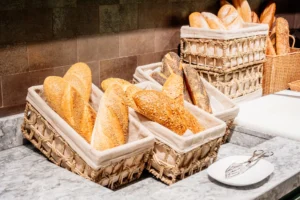
Hotels, resorts and restaurants buy placemats, trays, bread baskets, lampshades and room accessories in quantity, often in natural materials that fit a local or eco theme. The catch: these buyers want consistent quality, repeat orders and firm delivery dates.
Craft Businesses Built on Teaching and Experience
Some of the steadiest income in crafts comes from sharing the skill rather than selling the product. Weaving, pottery and woodworking workshops sell well to tourists, team building groups and hobbyists, and they need only a space, tools and materials. Online courses and printed patterns can earn money long after they are made. Craft kits, with materials and instructions in one box, combine a product with a lesson. The catch for all three: teaching is a different skill from making, and marketing takes as much effort as the craft itself.
Costs to Plan For Before You Start
Every craft business carries costs beyond materials. Makers need tools, a work space, packaging and product photos. Online sellers pay platform fees, payment fees and shipping. Importers pay for samples, freight, duties and storage. Many first time sellers price only the materials and forget their own hours, then find each sale loses money once time is counted. A simple sheet listing every cost per piece, including a fair hourly rate, makes the right price obvious and shows early which ideas can never pay. It also helps to plan for returns and damage. A small share of handmade pieces will arrive broken or not as the buyer imagined, and the cost of replacing them belongs in the price from day one.
How to Pick the Right Idea for You
Start with three questions. How much time and money can you put in before the business pays you? Do you want to make things yourself, or build a brand that others produce for? And who will buy: shoppers one piece at a time, or shops and businesses in quantity? Test before you commit. Make or buy a small batch, sell it at a local market or online, and see which items people ask for again.
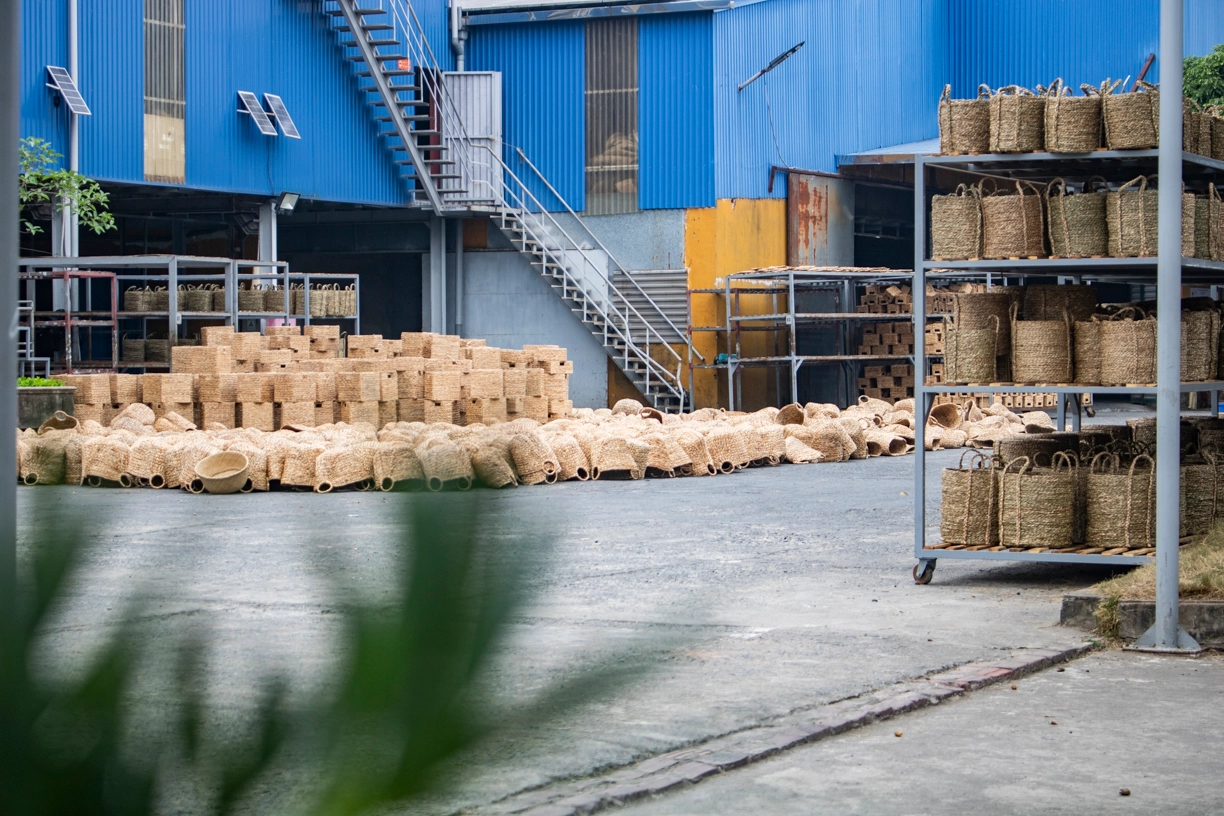
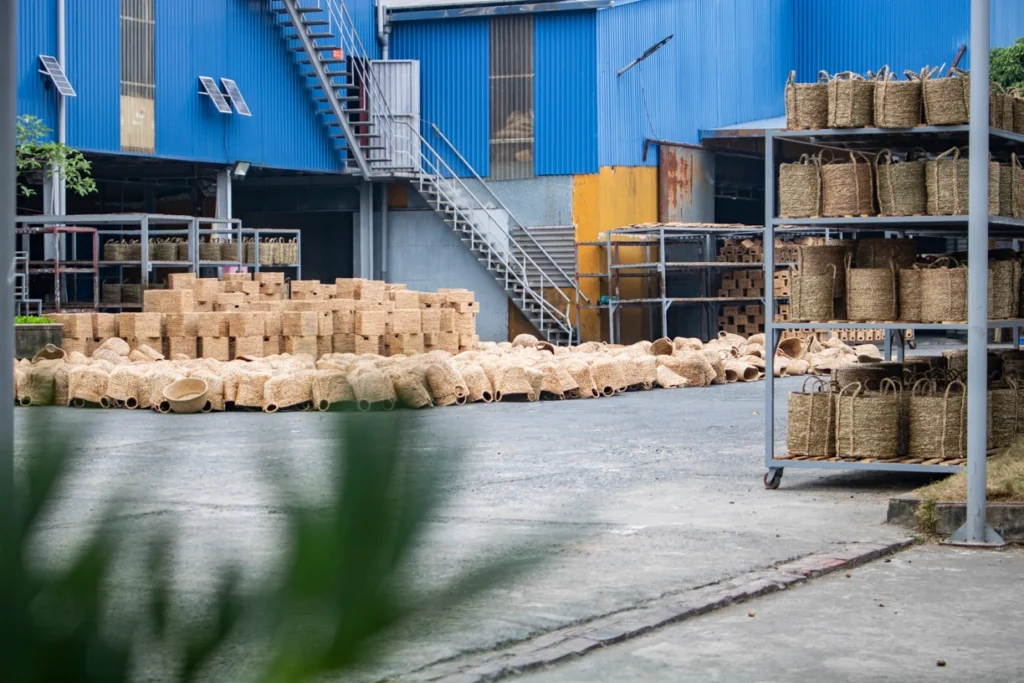
Handicraft Factory
Then look at the numbers honestly, because whether is handicraft business profitable has a very different answer for a weekend maker than for a brand ordering by the container. When one idea proves itself, write down what made it sell: the price, the buyer, the season and the channel. Those notes become the plan for growing it. The steps in how to start handicraft business planning, such as registration, pricing, suppliers and first orders, come next.
Conclusion
The best handicraft business ideas are the ones with a clear buyer, a price that covers the real cost and a way to grow beyond one person’s hands. Makers can start with baskets, macramé, candles or wooden kitchenware. Designers can build a private label brand, sell gift boxes, import for local shops or supply hotels and restaurants. Teachers can run workshops, courses and kits. Test small, watch what sells again and scale the idea that proves itself.
Artex Nam An is a Vietnamese handicraft manufacturer producing rattan, bamboo, seagrass and water hyacinth products for brands, importers and hospitality buyers worldwide, through its own factories and over 30 local facilities in the craft villages. See the range in our product catalogue, or tell us about your business idea and the products you have in mind and we will suggest materials and order sizes before we quote.
Read more: Choosing the Right Handicraft Manufacturer: Quality, Ethics, and Global Reach
You may also be interested in
An Importer’s Guide to Sourcing Sustainable Bulk Woven Baskets
Read more...Jul
Is Rattan Furniture Waterproof? What Water Does to Natural Rattan and How to Protect It
Read more...Sep
Water Hyacinth: An Unusual Weaving Material For Wicker Baskets Bulk
Read more...Oct
Finding the Perfect Rattan Furniture Manufacturer for Global Retail Brands
Read more...Jun
What Is the Best Quality Rattan Furniture? Five Checks That Matter
Read more...Sep
What Is Rattan Furniture Made Of? The Plant Behind It
Read more...Sep