




No products in the cart.
Industry News
What to Look for in Cane Furniture Manufacturers: A Buyer’s Guide
12
Aug
Aug
Cane furniture looks deceptively simple, which is exactly why so many buyers underestimate how much quality varies between cane furniture manufacturers. Cut from the outer bark of the rattan palm rather than the solid core, cane is lighter and more flexible than rattan itself, making it a popular choice for chair backs and seat panels, but that same flexibility means a poorly made batch can fail within a single season. This guide walks through what actually separates a dependable cane furniture manufacturer from a risky one, before you commit to your next bulk order.
Understanding Cane and Rattan as a Material Category
Cane furniture is often used interchangeably with rattan furniture, though the terms describe related but distinct materials. Cane refers to the outer bark of the rattan vine, typically used for weaving flexible surfaces, while rattan itself is the core material used to build sturdier furniture frames. When we evaluate cane furniture manufacturers, we look for suppliers who understand this distinction and can advise buyers on which material suits their product line, whether that is lounge seating, dining chairs, or decorative accent pieces.
Rattan furniture manufacturers who work with both cane and core rattan can offer greater design flexibility, combining strength with intricate handwoven detailing. This dual capability is a strong indicator of manufacturing maturity and craftsmanship depth. Buyers evaluating cane furniture manufacturers should ask specifically how each material is sourced, processed, and combined, since suppliers who can articulate this clearly are typically more experienced across the full production cycle.
Comparing Natural Materials Used in Sustainable Homeware
Seagrass and Water Hyacinth
Seagrass and water hyacinth are fast-growing aquatic plants widely used in woven storage solutions. Both materials are prized for their flexibility, light weight, and biodegradability. They are commonly used in wholesale wicker baskets, laundry hampers, and decorative accessories, offering retailers an attractive, eco-friendly alternative to plastic storage. Many cane furniture manufacturers also maintain parallel production lines for these fibers, allowing procurement teams to diversify their catalog without adding new supplier relationships.
Bamboo
Bamboo is one of the fastest-renewing resources available to handicraft manufacturers, reaching maturity in a fraction of the time required by hardwood trees. Its strength-to-weight ratio makes it ideal for structural components as well as finer applications such as bamboo serving trays wholesale and bamboo baskets wholesale collections. FSC-certified bamboo sourcing further assures buyers that raw material harvesting follows responsible forestry practices.
Rattan and Jute
Rattan remains the material of choice for furniture frames due to its combination of flexibility and load-bearing strength. Jute, on the other hand, is frequently blended with other fibers to create texture and durability in placemats, rugs, and decorative trims. Understanding these material properties allows buyers to match product specifications with intended use, whether for HORECA settings or residential retail lines. This working knowledge is exactly what separates experienced cane furniture manufacturers from suppliers who simply replicate designs without technical understanding of fiber behavior.
Traditional Craftsmanship Meets Industrial Scale
One of the defining challenges in handicraft manufacturing is preserving the authenticity of handwoven techniques while meeting the volume demands of global retail. We believe the most capable handicraft manufacturer partners are those who maintain close relationships with skilled artisans while implementing standardized quality control processes across every production stage. This is particularly true for cane furniture manufacturers, whose finished products depend heavily on consistent hand-tension weaving that cannot be fully automated without losing the character buyers are seeking.

Skilled artisans handweaving cane furniture using traditional techniques
At Artex Nam An, this balance is achieved by connecting over 1,000 skilled artisans across 12 provinces in Vietnam with structured production planning, enabling the export of more than 1.1 million eco-friendly units annually without compromising the handcrafted character that gives these products their appeal. Buyers sourcing from Vietnamese cane furniture manufacturers often cite this combination of scale and authenticity as a key reason for choosing the region over other manufacturing hubs.
Why International Compliance Certifications Matter
Social Compliance Audits
Certifications such as BSCI, SMETA, and Sedex evaluate labor practices, workplace safety, and ethical treatment of workers throughout the supply chain. For procurement managers and global retail buyers, these audits provide independent verification that a handicraft supplier operates responsibly, reducing reputational and legal risk. When shortlisting cane furniture manufacturers, requesting recent audit reports should be a standard part of due diligence rather than an optional step.
FSC Certification for Wood and Bamboo Products
FSC certification specifically addresses forestry practices, confirming that wood and bamboo materials originate from responsibly managed sources. This is particularly relevant when sourcing bamboo kitchenware, serving trays, or furniture components, where raw material traceability is increasingly demanded by environmentally conscious retail chains.
Evaluating Product Categories Beyond Furniture
Home Decor and Lighting
Many cane furniture manufacturers extend their craftsmanship into complementary decor categories. A capable lamp shades manufacturer, for instance, can apply the same weaving techniques used in furniture to create woven lighting fixtures that complement a broader natural homeware collection. This cross-category flexibility is a useful signal that a supplier has invested in design development beyond a single product type.
Storage and Tabletop Accessories
Retail buyers frequently source across multiple categories from a single trusted partner. This includes wholesale hanging planters for garden and interior décor, trays wholesale for serving and organizational use, and woven placemats bulk for tableware collections. Consolidating sourcing with a manufacturer capable of producing across these categories can simplify logistics and strengthen supplier relationships, particularly when that supplier already meets the compliance and quality standards expected of established cane furniture manufacturers.
Caring for Natural Fiber Homeware and Furniture
Cleaning and Dusting
Natural fiber products should be dusted regularly with a soft brush or cloth to prevent buildup of dirt within woven fibers. Avoid soaking rattan or cane furniture in water, as prolonged moisture exposure can weaken fibers and cause warping.
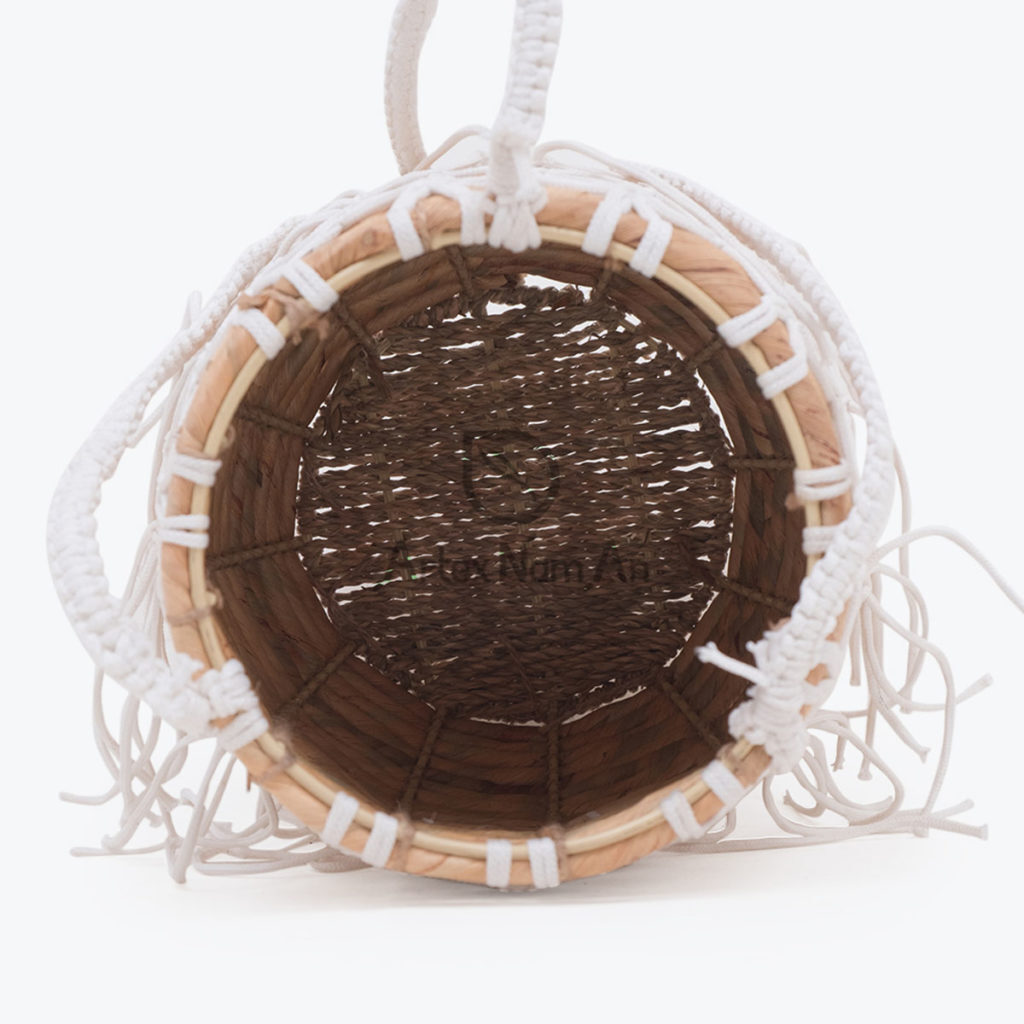
A collection of finished rattan and cane furniture pieces ready for export
Humidity and Storage Conditions
Seagrass, water hyacinth, and bamboo products perform best in moderate humidity environments. Excessive dryness can cause brittleness, while excessive moisture may encourage mold growth. Advising end customers on proper placement, away from direct heat sources or damp areas, helps preserve product integrity over time.
Long-Term Maintenance
Periodic application of natural oils on bamboo and rattan surfaces can help maintain flexibility and prevent cracking. Retailers who provide simple care instructions alongside their products often see improved customer satisfaction and reduced return rates. Reputable cane furniture manufacturers frequently include this guidance as part of their product documentation, recognizing that proper aftercare directly affects repeat purchase behavior.
Selecting the Right Manufacturing Partner
When evaluating cane furniture manufacturers, we recommend that buyers assess production capacity, certification portfolio, material sourcing transparency, and design flexibility. A manufacturer capable of full-cycle OEM/ODM services, from prototyping to bulk production, offers greater value than one limited to standard catalog items. This is especially important for retail buyers seeking differentiated product lines that align with sustainability commitments and evolving consumer preferences for natural, ethically produced homeware. It is also worth confirming lead times and minimum order quantities early in discussions, since these operational details often reveal more about a supplier’s true capacity than marketing materials alone.
Conclusion
Selecting the right cane furniture manufacturers requires a thorough understanding of natural material properties, ethical sourcing standards, and production capabilities. By evaluating certifications, material expertise, and category breadth, procurement managers and interior designers can build sourcing relationships that deliver durable, high-margin products while meeting sustainability expectations. As an established handicraft manufacturer rooted in Vietnamese artisan traditions, we remain committed to sharing this expertise to support informed, confident sourcing decisions among global buyers evaluating cane furniture manufacturers for their next collection.
You may also be interested in
Is Handicraft Business Profitable? The Margins by Product and the Mistake That Kills Most of Them
Read more...Sep
How to Partner with Reliable Wicker Basket Companies for Long-Term Success
Read more...Jul
Wholesale Flower Hanging Baskets: A Materials and Construction Guide for Buyers
Read more...Aug
Finding the Best Wicker Supplier for Your Next Project
Read more...May
Unlock Lucrative Deals: Your Ultimate Guide to Rattan Furniture Wholesale
Read more...May
Handcrafted In Vietnam Baskets: What Are Baskets Made Of?
Read more...Nov