



No products in the cart.
Industry News
Outdoor Furniture Manufacturers: How the Furniture Is Made and How to Judge the Factory Behind It
04
Oct
Oct
Two lounge chairs can look identical in a showroom photograph and be made in completely different ways. One has a frame cut from extruded aluminium, welded, ground smooth and coated in an oven. The other is welded steel with a coat of spray paint that starts to bubble after the first wet winter. The difference lies in the factory, not the catalogue. Outdoor furniture manufacturers vary more than almost any other kind of furniture maker, because weather punishes every shortcut. This guide explains the main materials and how each is made into furniture, what separates a good factory from a weak one, where the industry is based and how buyers check a manufacturer before placing an order.
What Outdoor Furniture Manufacturers Actually Make
The category covers far more than garden chairs. Manufacturers make dining sets, lounge sets, sun loungers, benches, side tables, umbrellas and planters, for homes, hotels, restaurants and public spaces. Most factories specialise in one or two materials and build their whole production line around them. A teak workshop has saws, planers and drying kilns; an aluminium factory has extrusion presses, welding bays and coating ovens; a natural fibre workshop has steaming racks and rows of weavers. That specialisation is the most useful thing to understand about the industry, because it decides what each factory can make well.
The Main Materials and How Each Is Made
Teak and Other Hard Woods
Teak has been the classic outdoor timber for generations, used for boat decks as well as furniture because its natural oils resist rot. Indonesia is a major producer, and much of the teak harvested there goes into outdoor furniture for export. Good factories dry the timber properly before cutting, join parts with mortise and tenon joints rather than screws alone, and use stainless steel fittings. Acacia and eucalyptus are cheaper hardwoods made the same way, with a shorter life in open weather.
Aluminium Frames That Do Not Rust
Aluminium is light and does not rust. Frames are made either from extruded tube, cut and welded together, or from cast aluminium poured into moulds for ornamental designs. The welds are ground smooth, the frame is cleaned and then finished, usually by powder coating, where a dry powder is sprayed on with an electric charge and baked in an oven into a hard skin. The cleaning before coating is the step that decides whether the finish lasts.
Steel and Wrought Iron
Steel is heavier and stronger than aluminium and costs less, which makes it popular for cafés and windy terraces. It rusts if the coating is damaged, so the best factories galvanise the steel before powder coating it, and seal any welds that water could reach.
Woven Natural Fibres for Covered Spaces
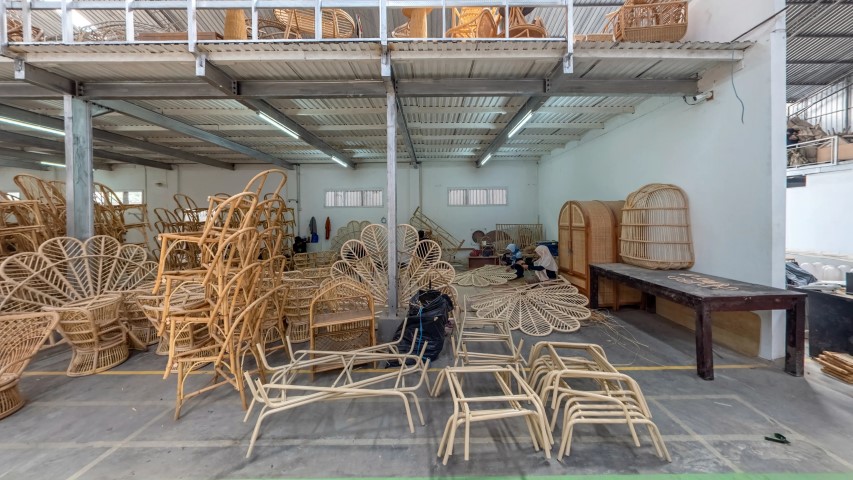
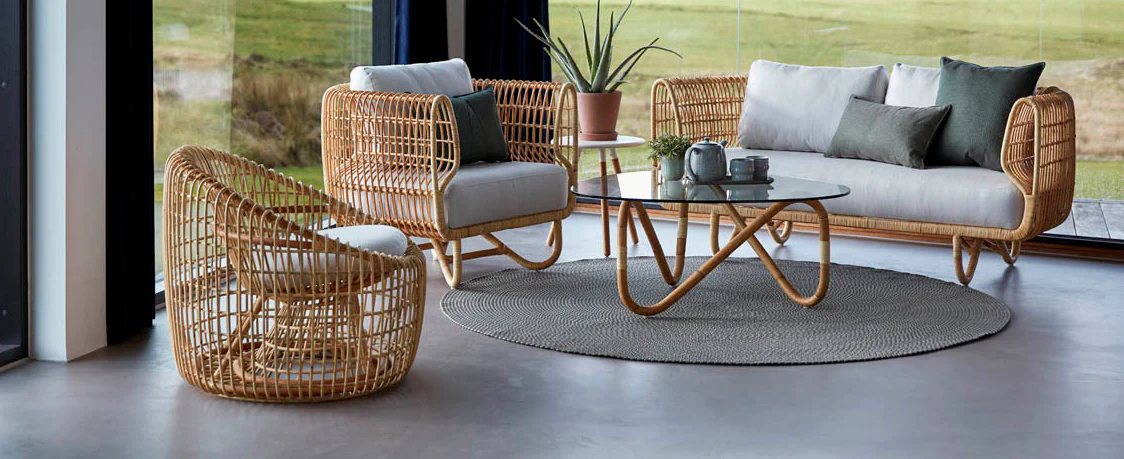
Rattan, bamboo, seagrass and water hyacinth are woven by hand over frames, then sealed with a clear finish. They bring warmth and texture that metal and timber cannot, but they absorb moisture, which is why rattan is not waterproof however well it is sealed.
Rattan Furniture
Factories that weave natural fibre supply verandas, conservatories and roofed hotel terraces rather than open gardens.
What Separates a Good Factory From a Weak One
Preparation Before the Finish
Timber dried to the right moisture level, metal cleaned and pretreated before coating, cane dried and sealed before weaving. Weak factories save time here because the furniture looks the same on the day it ships. With woven pieces, a factory that seals the cane properly is also the one that can explain plainly is rattan furniture waterproof and where its furniture should not go.
Joints and Screws and Bolts
Joints carry the load and let water in. Good factories use proper woodworking joints, full welds and stainless or coated fittings. Cheap ones rely on screws into end grain, spot welds and plain steel bolts that rust within a season.
Consistency Across a Whole Order
One good sample proves little. A good manufacturer can make five hundred chairs that match it, because materials are checked on arrival, each line works from written standards and finished pieces are inspected before packing.
Which Countries Make Most Outdoor Furniture
China produces the largest volume of outdoor furniture, especially in aluminium and steel, and offers the widest choice of factories. Vietnam has grown strongly as a furniture exporter, with hardwood, metal and woven natural fibre workshops.
Rattan Furniture Manufacturer In Vietnam
Indonesia is known for teak and woven furniture, the Philippines for woven designs, and India for timber and metalwork. Europe and the United States still have manufacturers, mostly at the premium end, often with long histories and local production that shortens delivery times. Many buyers spread orders across two or three countries, choosing each by material.
How to Check a Manufacturer Before You Order
Start by asking which products the factory makes itself and which it buys in, because many exporters also trade. Visit if you can, or ask for a video call with the production floor in view. Order samples of every item and test them where the furniture will actually be used. Ask for inspection reports from recent orders, the factory’s minimum order per style and its lead time during peak season. Check how pieces are packed and how many fit in a container, because freight is a large part of the landed cost. Finally, ask how the factory handles a failed batch. Buyers who already work with rattan furniture manufacturers on indoor ranges will recognise most of these checks.
Custom Designs and Private Label Production
Most outdoor furniture manufacturers make products to a buyer’s own design as well as from their catalogue. The buyer supplies drawings or a reference piece, the factory makes a prototype, and after approval the design goes into production under the buyer’s brand. This route takes longer and usually needs larger orders, but it gives a retailer furniture nobody else sells. A good rattan furniture manufacturer or metal factory will suggest changes that make a design stronger or cheaper to ship before the first piece is made.
Conclusion
Outdoor furniture manufacturers are specialists.Teak workshops, aluminium and steel factories and natural fibre weavers each make their material well and the others less well. The quality that matters sits in the hidden steps: drying and pretreatment before the finish, proper joints and fittings, and the discipline to make a whole order match the sample. Choose a manufacturer by material first, check their process rather than their showroom, and test samples where the furniture will live.
Artex Nam An is a Vietnamese handicraft manufacturer weaving rattan, bamboo, seagrass and water hyacinth furniture and home decor for retailers and hospitality buyers worldwide, through its own factories and over 30 local facilities in the craft villages. See the range on our furniture page, or tell us where the furniture will be used and your target quantity and we will recommend the material and finish before we quote.
Read more: Rattan Garden Furniture Wholesale: The Complete Sourcing Guide for Retailers and Wholesalers
You may also be interested in
The Best Time To Order Eco-friendly Products Wholesale From Vietnam
Read more...Apr
Source Top Quality Bamboo Serving Trays Wholesale for Gobal Export Markets
Read more...Jun
Rattan Garden Furniture Wholesale: The Complete Sourcing Guide for Retailers and Wholesalers
Read more...Jul
Which Country Is Famous for Handicrafts? Six Countries and What Each One Does Best
Read more...Sep
The Complete Guide to Sourcing Seagrass Basket Wholesale from Vietnam
Read more...Jul
The Complete Guide to Sourcing Sustainable Bamboo Gift Boxes Wholesale
Read more...Jul