





No products in the cart.
Industry News
Rattan Garden Furniture Wholesale: The Complete Sourcing Guide for Retailers and Wholesalers
22
Jul
Jul
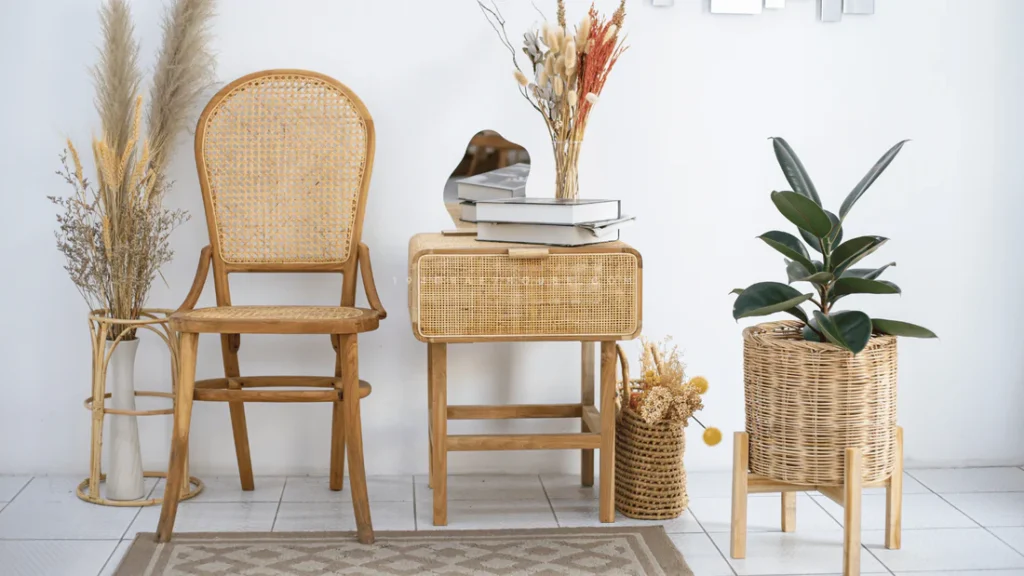
Outdoor living has quietly become one of the most resilient and fastest-growing categories in the global home and garden industry, and rattan garden furniture wholesale sits right at the center of this shift. Walk through any hotel resort terrace, scroll through any interior design feed, or browse the patio section of a major home retailer, and you’ll see the same material telling the same story: warm, woven, natural-looking furniture that feels effortless yet intentional. That material is almost always rattan, whether in its natural form or in the more weather-resistant synthetic version engineered specifically for outdoor use.
For retailers, wholesalers, and sourcing agents, the real challenge in this category has never really been demand. Demand is strong and growing every season. The real challenge is finding a rattan furniture supplier capable of delivering consistent quality, competitive pricing, and dependable lead times when you’re ordering not five or ten pieces, but container loads at a time. A single defective weave pattern or an inconsistent frame finish, multiplied across a thousand-unit order, can quietly erode your margins and damage your relationship with downstream retail buyers.
This guide was written to walk you through everything you should understand before committing to a rattan furniture manufacturer — from the raw materials themselves, to how the category is evolving, to the exact questions you should be asking any factory before you sign a purchase order. By the end, you should feel confident enough to evaluate any rattan furniture manufacturers shortlist with a sourcing professional’s eye, rather than relying purely on catalog photography and price sheets.
Why Rattan Garden Furniture Wholesale Is Booming Right Now
It would be easy to assume that rattan furniture is simply riding a temporary design trend, the kind that peaks for a season or two before consumer taste moves on to something else. The reality is more structural than that, and understanding why matters if you’re building a long-term sourcing strategy around wholesale rattan furniture rather than chasing a short-lived fad.
The first driver is the permanent shift in how people use outdoor space. In the years following the pandemic, consumers across North America, Europe, and Oceania fundamentally re-evaluated their relationship with balconies, patios, and gardens. What used to be an afterthought space became an extension of the living room, worth investing in properly. That behavioral change hasn’t reversed as life has returned to normal; if anything, retailers report that outdoor furniture categories have kept growing year over year, because the habit of treating outdoor space as “real” living space has stuck.
Why Rattan Garden Furniture Wholesale Is Booming Right Now
The second driver is sustainability positioning, which has moved from a marketing nice-to-have to something closer to a procurement requirement for many Western retail chains. Rattan is harvested from a fast-renewing climbing palm rather than slow-growing hardwood, which gives it a genuinely defensible sustainability story compared to many alternative outdoor furniture materials. Retail buyers increasingly need to justify their sourcing decisions to their own sustainability and ESG teams, and rattan gives them a material they can talk about honestly rather than through vague greenwashing language.
The third driver is the expansion of the HORECA sector — hotels, restaurants, cafés, and resorts — which has become an enormous consumer of rattan garden furniture in its own right. A resort pool deck lined with rattan daybeds, or a rooftop restaurant furnished with woven rattan dining chairs, photographs beautifully for the kind of social media content that hospitality brands depend on today. This has created an entire parallel demand stream for rattan garden furniture wholesale that runs alongside traditional residential retail demand, often with different specifications around durability, stackability, and commercial-grade wear resistance.
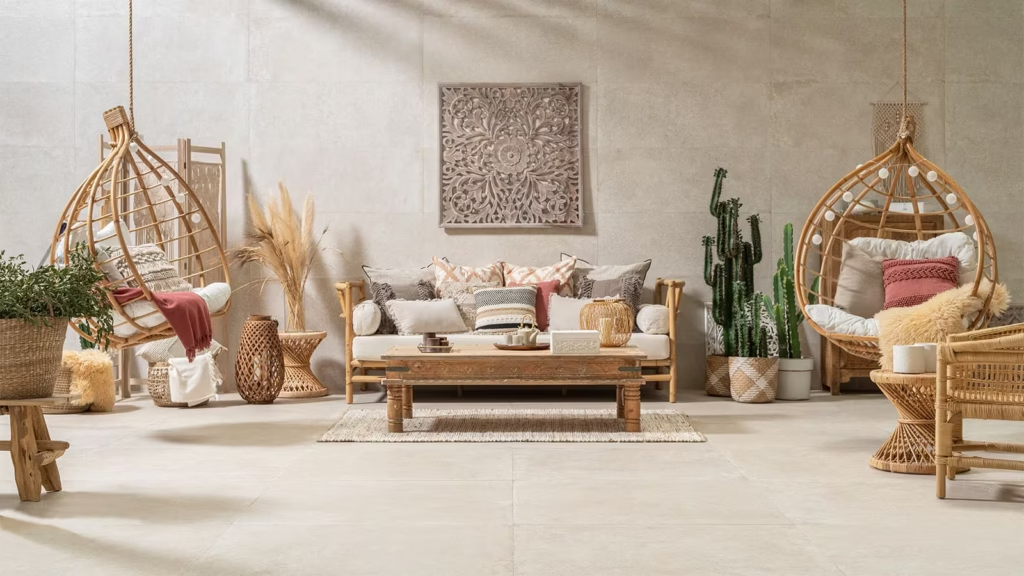
Finally, there’s simple design versatility. Rattan doesn’t lock a retailer into a single aesthetic. It moves fluidly between Bohemian, Coastal, Scandinavian, and Japandi interior trends, all of which remain commercially strong across different regions and different customer demographics. A retailer sourcing rattan furniture isn’t betting on one narrow style; they’re buying into a material that adapts across multiple simultaneous design movements.
Put all of this together, and it becomes clear that buyers searching for rattan garden furniture wholesale today aren’t just hunting for the cheapest seating set they can find. They’re looking for design-forward, genuinely durable products that will move quickly at retail and hold up to real outdoor conditions for years, not months.
Rattan vs. Wicker: Clarifying a Distinction Most Buyers Get Wrong
One of the most common points of confusion in this industry, even among experienced buyers, is the difference between rattan and wicker. The two terms get used interchangeably in casual conversation and even in some retail product listings, but they describe two genuinely different things, and understanding the difference will directly affect how well you brief your suppliers.
Rattan is a raw material. Specifically, it’s a type of climbing palm that grows abundantly across Southeast Asia, with Vietnam, Indonesia, and the Philippines among the world’s most significant sources. When people talk about “rattan furniture” in the strictest sense, they’re referring to furniture where rattan itself is the primary structural or decorative material.
Wicker, on the other hand, is not a material at all — it’s a weaving technique. You can weave wicker patterns out of natural rattan, but you can equally weave them out of bamboo, seagrass, willow, or increasingly common today, synthetic polyethylene fiber. This is exactly why, when you’re researching suppliers, you’ll frequently come across a rattan furniture manufacturer and a wicker furniture manufacturer whose catalogs overlap heavily, sometimes to the point of listing nearly identical products under different category names.
This distinction becomes especially important once you move from indoor décor into garden and patio furniture specifically. Natural rattan, in its raw, untreated form, is genuinely better suited to indoor use or covered, weather-protected patios, because prolonged exposure to rain and UV radiation will degrade it over time in ways that create real warranty and return headaches for a retailer. For true outdoor applications, most reputable manufacturers today have shifted toward synthetic PE rattan — a UV-stabilized, weatherproof woven fiber, typically built over a rust-resistant aluminum or powder-coated steel frame, engineered specifically to withstand sun, rain, and humidity without cracking, fading, or losing its shape.
Understanding this early in the sourcing process will help you brief your rattan furniture supplier with precision, rather than discovering after your first bulk shipment arrives that you received a material better suited to a covered veranda than an open, rain-exposed garden.
The Core Product Categories Worth Knowing
When you start evaluating a catalog from any name on your rattan furniture manufacturers shortlist, it helps to think in terms of the full range of categories a serious outdoor-focused supplier should be able to cover, rather than judging them on one or two hero products.
Outdoor sofa and sectional sets tend to be the anchor category for most rattan garden furniture programs, since these modular seating arrangements work equally well on residential patios, hotel poolside lounges, and restaurant terraces, and they tend to carry the strongest margins per container. Dining sets — tables paired with chairs specifically engineered for outdoor use — represent a second major category, particularly important for HORECA buyers furnishing outdoor restaurant seating. Daybeds and sun loungers round out the resort and pool-deck segment, an area where design detail and comfort genuinely differentiate premium suppliers from commodity ones.
Beyond these larger furniture pieces, compact bistro and balcony sets serve a very different but equally important customer: the urban apartment dweller with limited outdoor space, who still wants the same natural, woven aesthetic on a smaller footprint. And no rattan garden furniture wholesale program is really complete without accent and accessory pieces — planters, trays, and storage baskets that let a retailer merchandise a full outdoor “lifestyle” collection rather than just standalone furniture items.
The strongest rattan furniture supplier relationships tend to be with factories capable of supporting most, if not all, of these categories under one roof. This isn’t just a convenience; it materially simplifies your supply chain, reduces the number of vendor relationships you need to manage and audit, and often allows you to consolidate shipments into fewer, more efficient containers.
What Separates a Strong Rattan Furniture Manufacturer From a Mediocre One
Not every factory offering wholesale rattan furniture operates at the same level, and the differences often aren’t visible in a glossy product catalog. They show up months later, in warranty claims, container delays, or inconsistent weave quality across a large order. Before you commit to any partner, it’s worth going deep on a handful of criteria that genuinely separate professional-grade suppliers from the rest.
Start with material sourcing and weather resistance. Don’t accept vague claims of “durable” or “weatherproof” at face value. Ask specifically whether the frame construction uses aluminum, which resists rust and stays lightweight for export shipping, or whether it relies on cheaper materials that may corrode after a season or two of outdoor exposure. Ask whether the woven material is genuine outdoor-grade PE rattan with UV stabilizers built into the fiber itself, since lower-grade synthetic weaves can fade or become brittle within a single summer. A serious rattan furniture manufacturer should be able to walk you through these technical specifications confidently, not just point you back to marketing photography.
Production capacity and minimum order quantity matter just as much as material quality, particularly if your business is scaling. You need clarity on what MOQ applies per SKU, whether that minimum can be spread across a mixed collection rather than forcing you into single-item bulk orders, and what realistic lead time you should expect from deposit payment to shipment, especially during peak seasonal ordering windows when factory capacity gets stretched thin across multiple clients simultaneously.
Design and customization capability is where the best suppliers truly distinguish themselves from commodity factories. The strongest rattan furniture manufacturers don’t simply replicate whatever is already in their catalog; they maintain in-house research and development teams capable of adapting weave patterns, adjusting colorways to match seasonal trend forecasts, and reshaping frame silhouettes to fit your target market’s specific aesthetic preferences and price positioning. If you’re building a private-label collection, this capability isn’t optional — it’s the entire point of working directly with a manufacturer rather than simply reselling an existing catalog product.
Packaging and freight efficiency deserve far more attention than most first-time buyers give them. Outdoor furniture is inherently bulky, and shipping air is one of the fastest ways to quietly destroy your margins on an international order. Look specifically for suppliers who default to knock-down, flat-pack construction, designed to reduce container volume and lower your true landed cost per unit. This single factor can make a meaningful difference when you’re comparing quotes across multiple rattan garden furniture wholesale suppliers who look identical on price per piece but differ enormously once freight costs are factored in.
Quality assurance systems are the next critical layer, and this is where handcrafted goods present a genuine challenge worth understanding rather than ignoring. By nature, handwoven products carry natural variation from piece to piece; no two woven panels will be perfectly identical, and that’s part of the material’s appeal. But a mature, professional manufacturer will still have standardized quality checkpoints in place — checking weave tension consistency, inspecting frame welding quality, and running pre-shipment inspections — specifically designed to minimize defect rates across large production runs, even while preserving the natural handmade character buyers are paying for.
Finally, compliance and certifications increasingly function as a gatekeeping requirement rather than a bonus. For buyers shipping into the EU, US, or Australian markets, confirm upfront whether your supplier can provide relevant certifications, such as BSCI social compliance audits or FSC-sourced material documentation where applicable. Retail buyers with their own sustainability commitments to uphold often cannot legally or contractually work with suppliers who can’t produce this documentation, regardless of how attractive the pricing looks on paper.
The Business Case for Sourcing Directly From the Manufacturer
There’s a meaningful difference between working with a rattan furniture manufacturer directly and working through layers of trading company intermediaries, and it’s worth being explicit about why that difference matters commercially, not just operationally.
Direct sourcing almost always translates into better margins, simply because you’re removing intermediary markup from the equation. But the financial benefit is only part of the story. Working directly with the factory that actually produces your furniture opens up genuine design collaboration — you can iterate on custom SKUs and private-label collections far faster when you’re speaking directly with the people who understand the material and the weaving process, rather than relaying feedback through a trading company that may not fully grasp the technical implications of a design change.
The Business Case for Sourcing Directly From the Manufacturer
Direct relationships also tend to produce far more transparent production timelines. When a delay happens — and in manufacturing, delays happen — you get the real reason and a real revised timeline, rather than a filtered explanation passed along secondhand. And perhaps most practically, direct manufacturer relationships make it much easier to consolidate shipments. If your outdoor rattan seating can travel in the same container as complementary natural-fiber décor pieces — baskets, trays, planters — from the same factory, you meaningfully optimize your freight costs per shipment, something that becomes very difficult to coordinate when you’re juggling multiple trading company relationships that don’t communicate with each other.
This is precisely why experienced sourcing teams and retail buyers actively seek out rattan furniture wholesale partners located in established manufacturing hubs like Vietnam, a country with decades of accumulated craft heritage in rattan, bamboo, seagrass, and water hyacinth weaving, now paired with increasingly modern, genuinely export-ready factory infrastructure.
Why Vietnam Has Become a Leading Hub for Rattan Garden Furniture Wholesale
Vietnam’s emergence as one of the world’s top sourcing destinations for natural-fiber outdoor furniture didn’t happen by accident, and understanding the underlying reasons helps explain why so many international retail brands have shifted sourcing here over the past decade.
The foundation is a deep, generational craft heritage. Rattan and bamboo weaving in Vietnam isn’t a manufacturing skill that was recently taught to meet export demand; it’s a craft tradition passed down through generations of artisans in specific weaving communities, which shows up in the quality and character of the finished products in ways that are difficult for newer manufacturing regions to replicate quickly.
Alongside that heritage sits a genuinely competitive cost structure. Vietnam’s labor and production costs remain attractive relative to other long-established rattan-exporting regions, without sacrificing the craftsmanship quality that buyers are paying for. This combination of skill and cost efficiency is a large part of what makes the country such a compelling base for rattan furniture wholesale sourcing today.
Strategic port access adds another practical layer, giving manufacturers efficient shipping routes to Europe, North America, and Oceania — the three regions driving the bulk of global demand for outdoor rattan furniture. And perhaps most importantly for the future of this sourcing relationship, Vietnamese manufacturers have been steadily investing in factory sophistication: dedicated design R&D teams, standardized quality control processes, and genuine innovation in sustainable material sourcing, moving the country’s reputation well beyond simple low-cost manufacturing toward genuine design and production partnership.
If your business is evaluating rattan furniture wholesale partners for the first time, Vietnamese manufacturers deserve a serious place on your shortlist, particularly those that can demonstrate a proven export track record with established international retail brands rather than simply listing generic catalog capacity.
A Practical Sourcing Checklist Before You Place Your First Order
Before finalizing any purchase order with a rattan furniture supplier, it’s worth slowing down and making sure you have clear, specific answers to a handful of questions that experienced buyers always ask, even when a factory’s initial pitch sounds impressive.
You’ll want to understand exactly what minimum order quantity applies, and critically, whether that MOQ can be mixed across multiple SKUs within a single collection rather than forcing you into a large commitment on one individual design. You should have a precise, realistic lead time — not an optimistic best-case scenario — covering the full period from deposit payment through to shipment readiness, including how that timeline shifts during seasonal peak-ordering periods. It’s worth confirming whether the factory can genuinely produce private-label branding and knock-down, flat-pack packaging designed specifically to reduce your freight costs, rather than simply offering their standard export packaging with your logo added on top. You should ask what warranty terms or defect-replacement policy applies specifically to bulk orders, since return logistics on large, bulky furniture shipments are far more complicated and costly than on smaller decorative items. Ask for references or documented case studies from other international retail partners the factory has worked with, and evaluate how forthcoming they are with that information. And finally, find out whether the manufacturer offers genuinely seasonal, trend-forward collections that evolve each year, or whether their catalog is essentially static, which matters a great deal if you’re trying to keep your retail floor feeling fresh rather than repetitive year over year.
A transparent rattan furniture manufacturer will answer all of these questions clearly, specifically, and quickly, often anticipating some of them before you even ask. Hesitation, vague non-answers, or a reluctance to share production documentation are meaningful red flags worth taking seriously when you’re evaluating wholesale rattan furniture partners at scale, since the cost of discovering a problem after a container has shipped is far higher than the cost of asking a difficult question upfront.
Partner With Artex Nam An for Your Rattan Garden Furniture Wholesale Program
Artex Nam An is a trusted Vietnam-based handicraft manufacturer and exporter, producing high-quality handmade home and outdoor décor from natural materials including rattan, bamboo, and seagrass. The company operates with dedicated in-house Research & Development, Production, and Quality Assurance teams, allowing it to deliver ethically made, quality-assured collections on time, consistently, to retailers, wholesalers, and sourcing teams across Asia, Europe, North America, Oceania, and Africa.
Whether your business needs standard catalog SKUs ready for immediate ordering, or a fully custom, private-label rattan garden furniture wholesale collection built specifically around your brand identity and target market, Artex Nam An’s team can support you through the entire process, from initial design concept through bulk production and export-ready, freight-efficient knock-down packaging.
Ready to work with a manufacturer that genuinely understands the standards global retail buyers expect? Partner with Artex Nam An today to request a full catalog, discuss a custom design brief, or get a bulk pricing quote for your next rattan garden furniture wholesale order.
Read more: Sustainable Wicker Placemats Bulk for Retail and Hospitality Markets
You may also be interested in
Wholesale Flower Hanging Baskets: A Materials and Construction Guide for Buyers
Read more...Aug
Serving Trays Bulk: A Material and Sourcing Guide for Retail Buyers
Read more...Aug
What Is Wicker? – 10 Things To Know About Wicker For Weaving
Read more...Nov
How to Make Rattan Basket Weaving: A Five Step Guide
Read more...Sep
Find Your Ideal Handicraft Supplier: A Guide for Artisans and Businesses
Read more...May
The Collaboration Of Artex Nam An and Asian Design House For Top-Notch Lampshade Production
Read more...Aug