


No products in the cart.
Industry News
How to Start Handicraft Business: From a Single Product to a Container
13
Sep
Sep
Most handicraft businesses begin the same way. Somebody makes a thing, a friend asks to buy one, and three months later there are forty orders and no plan. The question how to start handicraft business is really about what to do in those three months so the forty orders become four hundred without breaking the person making them. This guide walks through five steps that work whether the craft is woven baskets, candles or carved spoons, then answers where to sell, which ideas scale beyond one pair of hands, and what happens when the orders outgrow the kitchen table and a factory has to be found.
How to Start Handicraft Business in Five Steps
The order matters. Founders who start with a logo and a website before step one usually end with a beautiful shop and no sales.
Step 1: Test the Demand Before Making Stock
Make ten pieces, not a hundred. Show them to strangers rather than friends, at a market stall, in a local shop or on a marketplace listing, and count who pays. Search the same product on Etsy and note how many sellers there are and what they charge, because a crowded category with low prices is a warning and an empty one is either an opportunity or a sign nobody wants it. The Small Business Administration’s advice on starting a business begins with the same market research for the same reason.
Step 2: Decide What Makes Yours Different
A handmade basket competes with a thousand handmade baskets. The one that sells has a reason: a material nobody else uses, a size that fits a real need, a colour palette, a story about where it was made. Write the reason in one sentence and put it on every listing. If the sentence cannot be written, go back to step one.
Step 3: Price From the Cost Up and Not the Competition Down
Add materials, the hours at a real wage, packaging, fees and shipping, then add a margin. Experienced makers on the craft forums put retail at six to ten times material cost, and a price below that is a hobby subsidising its customers. Pricing this way early is what makes wholesale possible later, because a wholesale buyer pays half of retail and the maker still has to eat.
Step 4: Source Materials in Small Batches and Photograph Everything Well
Buy enough for the next month, not the next year, until the sales are predictable. And take photographs in daylight against a plain background, because online a handicraft is judged entirely by its picture. A good photograph of a basket outsells a better basket with a bad one every time.
Step 5: Open One Channel and Make It Work
A market stall, a marketplace listing or a single local shop. Learn what sells, what questions customers ask and what breaks in the post. Only then add the second channel. Founders running five channels at once serve none of them.
Where to Sell Handicrafts Online and Offline
Online, the marketplaces are the fastest start. Etsy for handmade with an audience already looking, Facebook Marketplace and Instagram for local sales with no fees, and a simple Shopify store once the brand has enough repeat buyers to justify it.
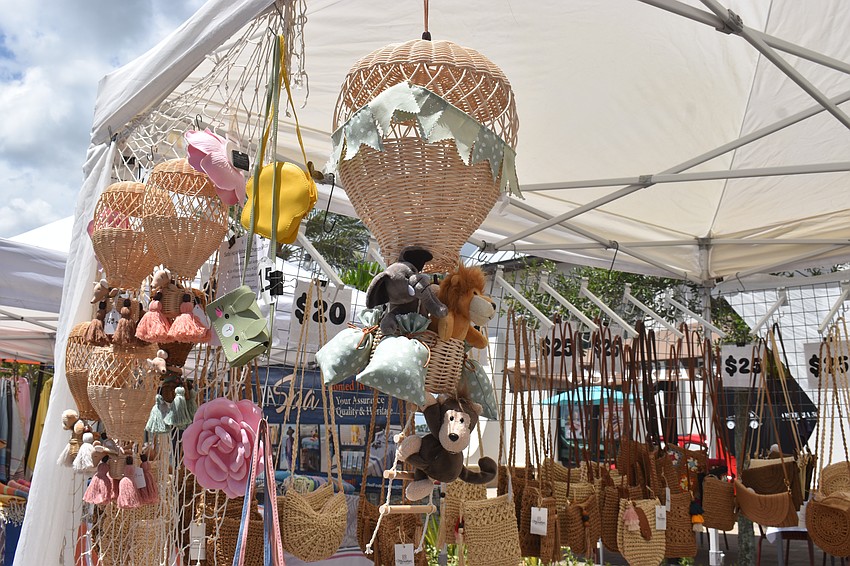
Farmers’ Market
Offline, craft fairs and farmers’ markets test products in front of real faces, and local gift shops and boutiques buy on consignment or wholesale. Most successful makers run one online and one offline channel and find that each feeds the other, because a customer who touched the product at a fair orders the second one online.
Handicraft Business Ideas
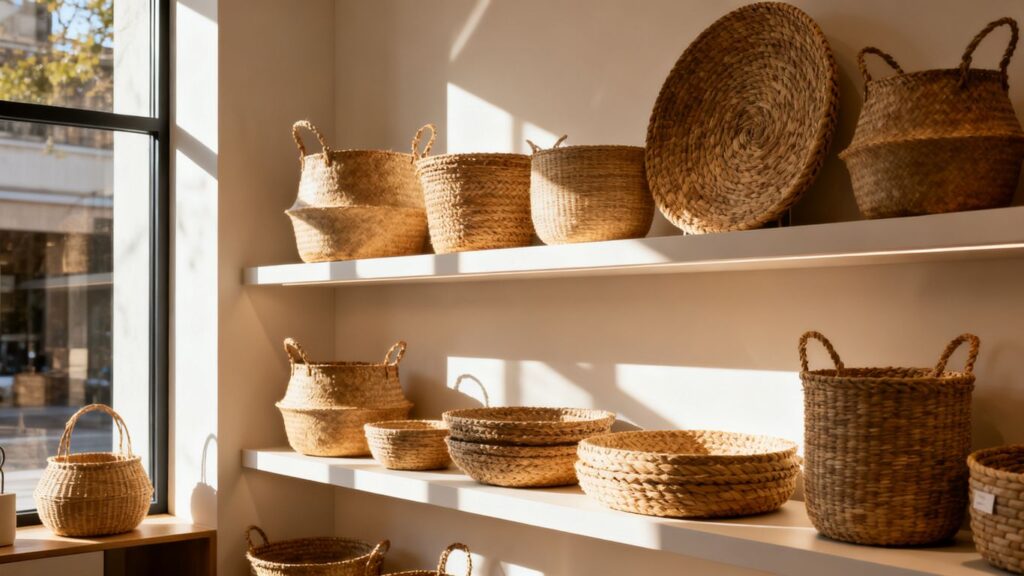
Some crafts stay personal forever, and that is a fine business. Others can grow past one maker, and the difference is whether the product can be made by trained hands to a specification without losing what made it sell. Woven baskets, placemats, trays and planters are the classic example, which is why they fill home decor shelves worldwide. Candles, soap and simple textiles are another. Hand painted or one off pieces are not. A founder whose product is in the first group has a choice at some point between teaching others to weave or finding people who already can, and the villages that produce the world’s wholesale woven baskets have been the second answer for decades.
When the Orders Outgrow Your Hands
The turning point comes when a shop asks for two hundred pieces by a date, and the honest answer is that one person cannot make them. Three routes exist. Hire and train locally, which is slow and expensive but keeps the product close. Source finished pieces to your design from a craft region, which is how most home decor brands actually work. Or do both, keeping a signature line handmade and sourcing the volume range. The second route means learning to work with a factory, and the first order is easier if the brand already knows how a basket is made, because a brand that has learned how to make a woven basket by hand asks a factory the right questions about the design.
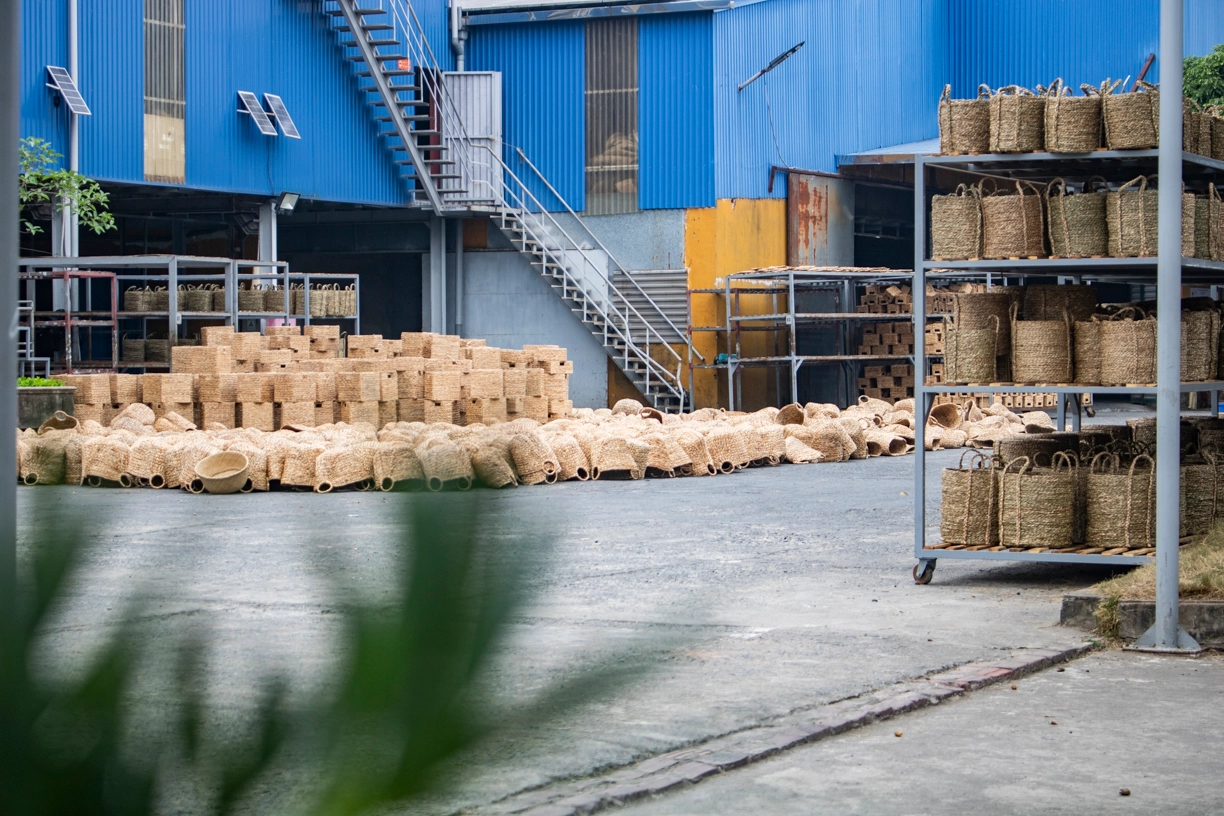
Handicraft Factory
Sourcing well is its own skill. It means a sample before any bulk order, a specification that names the material, size, weave and finish, a minimum order the brand can actually sell, and a supplier who can show the workshop rather than describe it. Long term relationships with the right wicker basket companies are built on those four things, and the brands that grow from a table to a container are the ones that treat the factory as a partner rather than a price list.
Conclusion
How to start handicraft business comes down to five steps in order: test demand with ten pieces, decide what makes yours different, price from the cost up, source materials in small batches and photograph well, and open one channel before adding another. Sell online and offline and let each feed the other. Then decide whether the product can scale beyond your own hands, and if it can, learn to source from the craft regions that already make it, with a sample, a specification and a supplier who will open the door to the workshop.
When a handicraft brand reaches that point, Artex Nam An is a Vietnamese handicraft manufacturer weaving rattan, bamboo, seagrass and water hyacinth baskets, trays, placemats and lighting to a brand’s own design, from a first sample to full containers. See how we work with new brands on our production page, or send us a photograph of what you make and the quantity a customer has asked for and we will tell you honestly whether we can help.
Read more: 3 Tips To Find Trusted Wholesale Home Decor Suppliers From Vietnam
You may also be interested in
Wholesale Rattan Baskets Crafted for Global Retail and Home Décor Markets
Read more...Jun
The Complete Guide to Sourcing Sustainable Bamboo Gift Boxes Wholesale
Read more...Jul
Fern – Durable Weaving Material For Wholesale Picnic Baskets & Homewares
Read more...Mar
Where to Buy Wholesale Home Decor: Marketplaces and Trade Shows or Going Straight to the Factory
Read more...Sep
Get Inspired with over 200 most trusted Suppliers from Asia at the Global Sourcing Fair Viet Nam
Read more...Aug
Back to basic – 2021 trendy home decor & organization
Read more...Dec