





No products in the cart.
Industry News
Home Decor Wholesale Vendors: How Retailers Choose, Onboard and Manage Them

03
Nov
Nov
Finding home decor wholesale vendors is the easy part. A weekend at a trade fair or an evening on a wholesale platform produces dozens of names. The hard part comes after the first order: keeping track of who delivers on time, whose products sell, whose terms are worth the price and who to call when a carton of lampshades arrives crushed. Retailers who handle that part well build a small group of reliable vendors and keep their shelves full. Those who do not end up with a long list of one off suppliers and a stockroom full of slow sellers. This guide covers how to choose vendors, how to set up a new one, how to measure them and how to build relationships that last.
What a Home Decor Wholesale Vendor Is
A vendor is any business that sells goods to your business. In home decor, that includes manufacturers, importers, distributors, design brands and wholesale marketplaces.
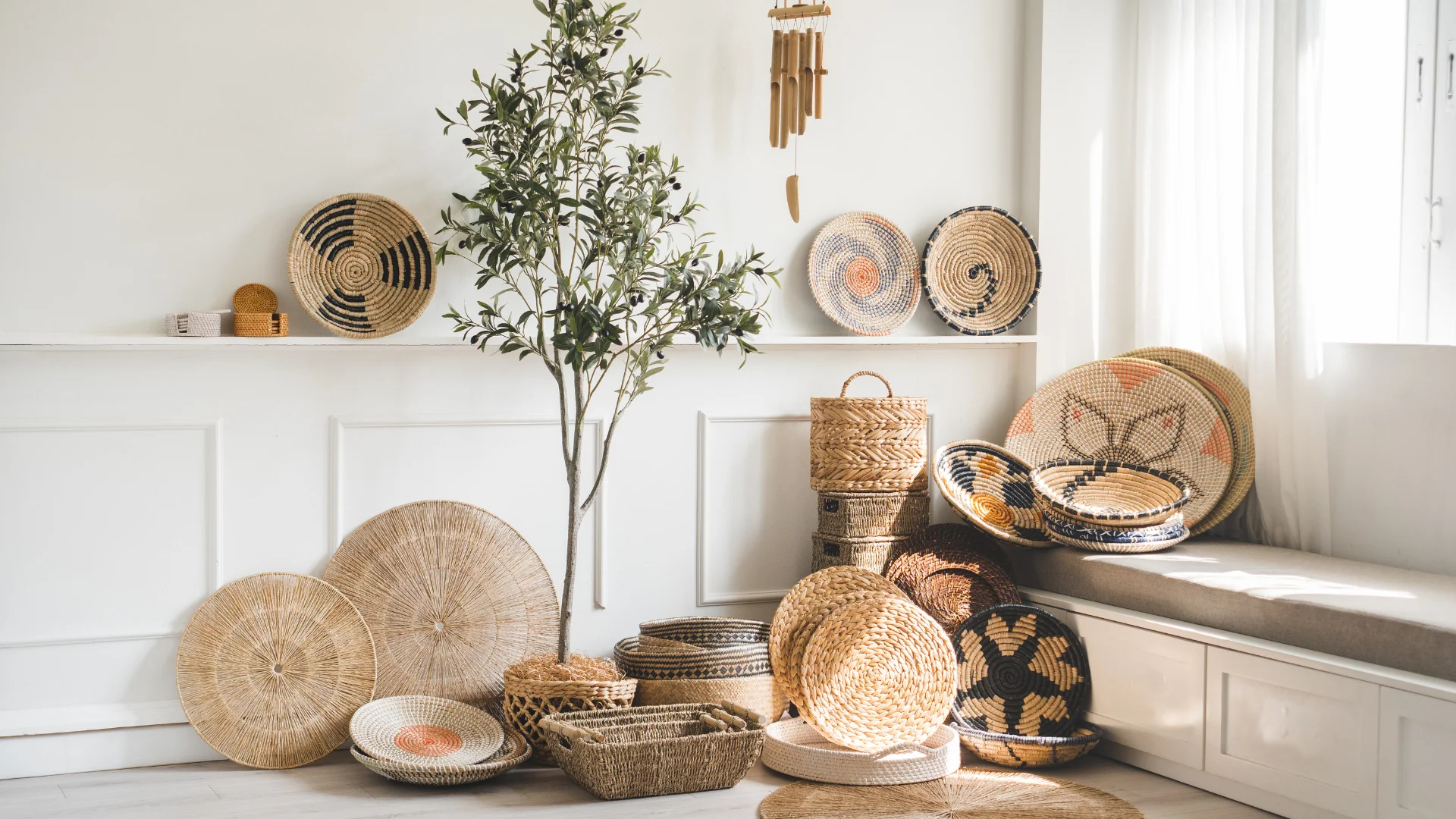
Sustainable Wall Decor Wholesale
From a retailer’s point of view, the label matters less than the relationship: a vendor is a partner in your supply chain whose reliability, prices and products shape your shop as much as your own choices do.
Choosing Home Decor Wholesale Vendors
Before adding a vendor, check three things.
The Products Fit Your Shop
Look at the range against your customers and your price points. A beautiful line that sits outside your price range or style will not sell, however good the terms.
The Terms Fit Your Business
Compare minimum orders, lead times, shipping costs, payment terms and returns. A vendor whose minimums tie up too much cash is a poor fit for a small shop, even with a lower price per piece.
The Vendor Can Deliver Consistently
Order samples, ask other retailers about their experience and ask the vendor how they handle stock outs and damaged goods. One reliable vendor is worth several cheap but unpredictable ones.
Setting Up a New Vendor
Onboarding a vendor properly saves problems later. Agree prices, minimums, lead times and payment terms in writing. Get product information for every item you stock: dimensions, materials, care instructions, country of origin and good photos for your website. Agree how orders will be placed, confirmed and tracked, and who your contact is. Check packing standards and what happens if goods arrive damaged. Start with a modest first order across a few products, so you can test sell through and the vendor’s service before committing more.
How to Measure Each Vendor Every Season
Sell Through and Margin
How much of each vendor’s stock sold at full price, and how much margin did it earn? These two numbers decide whether a vendor deserves more shelf space.
Delivery Times and Order Accuracy
Did orders arrive on time, complete and as described? Late or incomplete deliveries cost sales and staff time.
Quality Problems and Damage in Transit
How many items were faulty or damaged, and how quickly were problems resolved? Natural and handmade goods vary a little by nature, but a vendor whose variation keeps surprising customers is a problem.
Common Problems With Vendors and How to Handle Them
Even good vendors have bad months. When an order arrives late, ask early for a new date and adjust promotions rather than waiting and hoping. When goods arrive damaged, photograph the cartons and the pieces before unpacking further, report within the agreed time and ask for a credit or replacement. When a best seller is discontinued, ask whether the vendor can make a close alternative, and buy enough of the old line to sell through calmly. When prices rise, ask what changed: materials, freight or currency. A vendor who explains openly is usually worth keeping, even at a slightly higher price.
Keep a simple record of each problem and how it was solved. Over a year, that record shows which vendors fix things quickly and which keep repeating the same mistakes.
Building Long Term Vendor Relationships
The best vendor relationships work in both directions. Share sales data and customer feedback so vendors can improve products and plan stock. Pay on time and give notice of large orders. Visit vendors at trade fairs or, for key suppliers, at their workshops. In return, reliable retailers often get first look at new collections, priority stock in peak season, better terms and help with exclusive designs. A good handicraft supplier in particular values buyers who reorder steadily, because workshops plan their weavers and materials around them.
Balancing a Vendor Mix
Most retailers do best with a mix. A few core vendors, often manufacturers, supply the steady sellers at the best margin. One or two distributors fill gaps quickly. A wholesale platform tests new products in small quantities. Avoid depending on one vendor for a best seller, and drop vendors whose products consistently fail to sell, even if the relationship is friendly. Review the mix every season and keep the total number manageable, because every extra vendor adds orders, invoices and contacts to manage.
Handmade and Natural Fibre Vendors
Vendors of woven baskets, trays, placemats and lampshades in rattan, bamboo, seagrass and water hyacinth are a staple of many home decor shops, and they work a little differently. Lead times are often longer because products are woven by hand, sometimes across many small workshops.

Natural Woven Home Organization And Decoration
Colour and size vary slightly between pieces. Natural fibres need to be dried well and kept dry in transit. Agree acceptable variation and packing standards at the start, and plan orders ahead of peak seasons. Retailers buying wholesale wicker baskets from vendors who manage these points well rarely have problems with them.
Conclusion
Home decor wholesale vendors shape a shop as much as its own buying decisions. Choose vendors whose products, terms and reliability fit your business, onboard them with clear written terms and full product information, and measure them each season on sell through, margin, delivery and quality. Build lasting relationships with the best, keep a balanced mix and review it regularly, and allow for the longer lead times and natural variation of handmade goods.
Artex Nam An is a Vietnamese handicraft manufacturer producing rattan, bamboo, seagrass and water hyacinth baskets, trays, lampshades and furniture for retailers, distributors and hospitality buyers worldwide, through its own factories and over 30 local facilities in the craft villages. See the range in our product catalogue, or tell us what you sell and the products you want to add and we will recommend the right materials before we quote.
Read more: Where to Buy Wholesale Home Decor: Marketplaces and Trade Shows or Going Straight to the Factory
You may also be interested in
The Complete Guide to Sourcing Sustainable Bamboo Gift Boxes Wholesale
Read more...Jul
Export-Quality Wholesale Woven Baskets for Retail & Home Décor Brands
Read more...Jun
Top Differences Between Cane vs Bamboo In Home Industry
Read more...Jul
Choosing the Right Woven Placemats Bulk for Hospitality Procurement
Read more...Jul
Wholesale Hanging Flower Baskets: Planning Your Season Before You Order
Read more...Aug
Top 9 Weaving Styles For Water Hyacinth Baskets Wholesale
Read more...Mar