




No products in the cart.
Industry News
Home Decor Wholesale Distributors: What They Do, What They Charge and When to Use One

03
Nov
Nov
A gift shop owner wants twelve woven baskets, eight lampshades and a few dozen trays for next month, from three different makers in two countries. Ordering each directly would mean three minimum orders, three shipments and three customs entries for a few hundred pieces. A distributor solves that in one order, delivered within days, at a higher price per piece. That trade is the whole business of home decor wholesale distributors. They sit between the people who make home goods and the shops that sell them, and they earn their margin by holding stock, splitting large shipments into small orders and taking on the risk of importing. This guide explains how distributors work, how they price, how they differ from other suppliers and how to choose and work with one.
What Home Decor Wholesale Distributors Do
A distributor buys home decor in bulk from manufacturers, often by the container, stores it in a local warehouse and resells it in smaller quantities to retailers, designers and hospitality buyers. That role is a classic part of distribution: moving goods from the place they are made to the place they are sold, in the quantities each buyer needs.

Wall Decor Wholesale
Along the way, distributors handle the jobs that small buyers find hardest. They arrange international freight, clear customs and pay duty, check goods on arrival, store them, and pick and pack mixed orders. Many also run showrooms or exhibit at trade fairs, publish catalogues each season and give retailers short payment terms.
How Distributors Differ From Other Home Decor Suppliers
How Distributors Differ From Manufacturers
Manufacturers make the products and sell at the lowest price, usually in large minimum quantities with long lead times. Distributors buy from them and resell with a margin added, in exchange for small orders and fast delivery.
How Distributors Differ From Importers
The roles overlap. An importer brings goods into a country; a distributor focuses on selling them on to many retailers. Many home decor businesses do both, while some importers sell only to a few large chains.
How Distributors Differ From Wholesale Marketplaces
Online wholesale marketplaces connect retailers with many brands but usually do not hold stock themselves. A distributor owns the stock, which is why it can promise faster delivery and handle returns directly.
How Distributors Price Home Decor
A distributor’s price has to cover the factory price, freight, insurance, duty, warehousing, staff and its own profit. As a result, retailers buying from a distributor usually pay noticeably more per piece than the factory price, but far less in total for a small order, because they avoid freight minimums and import costs. Distributors typically set wholesale prices so that retailers can mark them up to a recommended retail price and still make a healthy margin. Many offer tiered pricing, with lower prices for larger orders, and opening orders that are small enough for a new shop to test a range.
When a Distributor Is the Right Choice
Distributors suit retailers who need a wide range in small quantities, want stock quickly, cannot store large shipments or are new to importing. They are also useful for topping up best sellers during the season, when waiting months for a factory order would mean empty shelves. Larger retailers often mix both routes: core lines direct from manufacturers for the best margin, and fast moving or seasonal lines from distributors for flexibility. The broader choice of where to buy wholesale home decor comes down to this balance between margin and convenience.
How to Choose a Home Decor Distributor
Start with the range and how well it fits your shop. Then look at the practical terms: minimum opening order, reorder minimums, delivery times and costs, payment terms and the returns policy for damaged or faulty goods. Ask how often stock runs out and how quickly it is replenished, because a distributor that is out of stock in peak season is no help. Check whether the products are exclusive to the distributor in your area or sold to every shop down the street. And ask where the goods are made, because a distributor who knows its makers can answer questions about materials and care that customers will ask you.
Selling Through Distributors as a Maker
Distributors matter to manufacturers too. For a workshop or factory, one distributor can place a large, steady order and then reach hundreds of shops the maker could never serve directly. In return, distributors expect wholesale prices low enough to leave room for their margin and the retailer’s, consistent quality across repeat orders, reliable lead times and good product information and photos. Makers who want to sell this way should expect to be judged on how easily their products can be stocked, shipped and reordered, not only on how good they look.
Working Well With a Distributor
Good relationships with distributors pay off. Order regularly rather than in rare large batches, and share what sells, so the distributor can stock accordingly. Report damage promptly with photos. Pay on time, which often unlocks better terms and early access to new ranges. Ask your account manager about upcoming collections and discontinued lines, so you are not caught with half a range that can no longer be reordered.
Natural and Handmade Goods Through Distributors
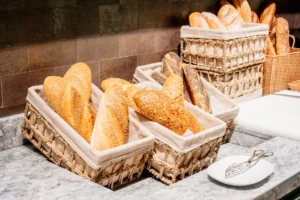
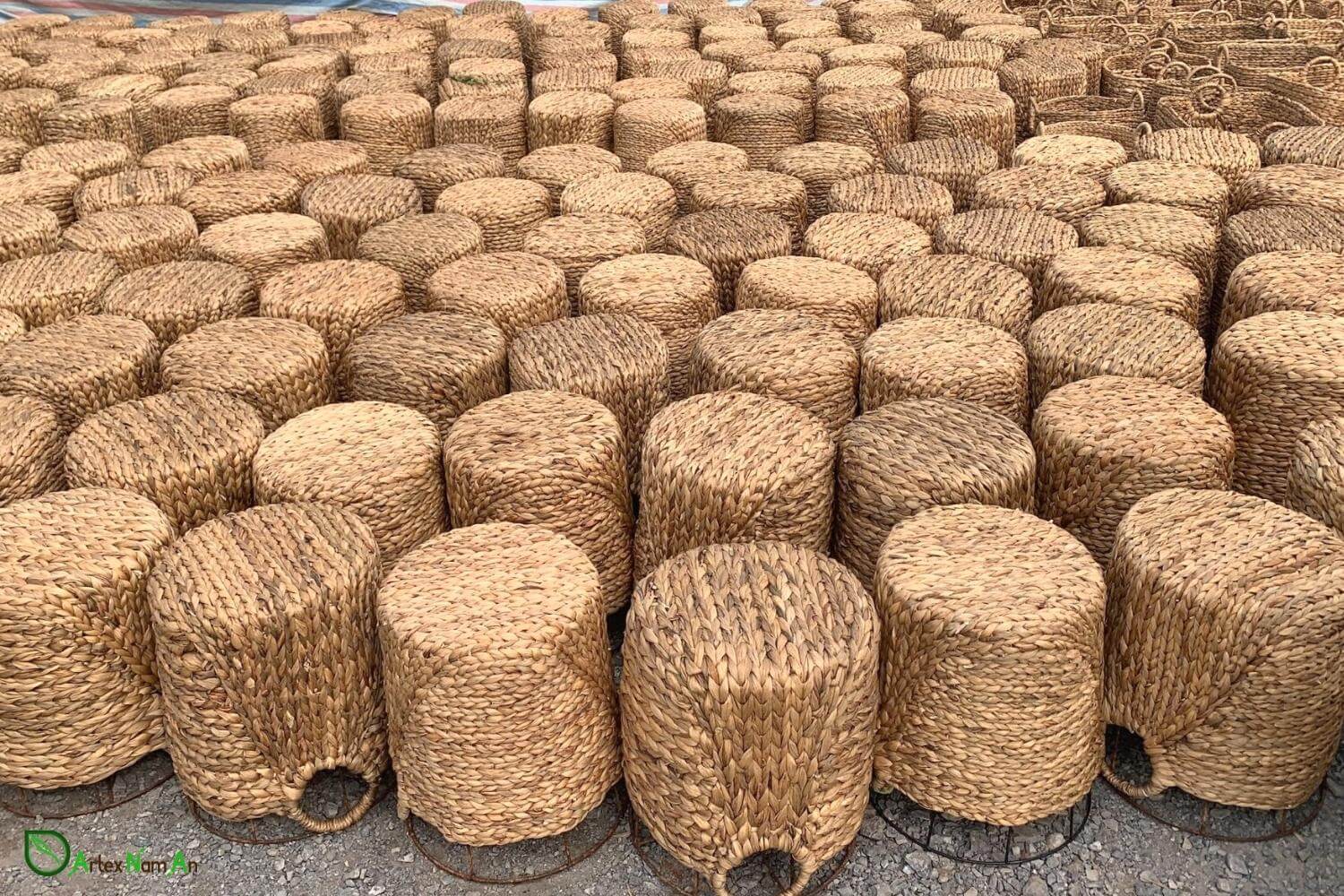
Woven baskets, trays, placemats and lampshades made from rattan, bamboo, seagrass and water hyacinth are among the most popular home decor lines distributors carry. They need some extra care in the chain. Natural fibres must be fully dry before packing and stored in dry warehouses, or they can pick up mould.
Wicker Baskets Bulk
Colour and size vary slightly between handmade pieces, so the distributor’s photos and descriptions should say so. Distributors who buy wholesale wicker baskets and similar lines straight from the workshops that weave them can usually explain these details, which helps retailers sell the products with confidence.
Conclusion
Home decor wholesale distributors buy in bulk from manufacturers, import and store the goods, and resell them to shops in small, fast orders. Retailers pay more per piece than the factory price but save on freight, import costs and storage, which makes distributors ideal for small shops, wide ranges and quick reorders. Choose one by range, terms, stock reliability and product knowledge, and build the relationship with regular orders and clear feedback.
Artex Nam An is a Vietnamese handicraft manufacturer producing rattan, bamboo, seagrass and water hyacinth baskets, trays, lampshades and furniture for distributors, retailers and hospitality buyers worldwide, through its own factories and over 30 local facilities in the craft villages. See the range in our product catalogue, or tell us what you distribute and the products you want to add and we will recommend the right materials before we quote.
Read more: 3 Tips To Find Trusted Wholesale Home Decor Suppliers From Vietnam
You may also be interested in
Unlock Lucrative Deals: Your Ultimate Guide to Rattan Furniture Wholesale
Read more...May
Who Are the Top 5 Furniture Manufacturers in Rattan and Bamboo? Five Names Buyers Actually Order From
Read more...Nov
Overwhelmed by the Many Global Fairs? Navigating the 2026 Handicraft Trade Show Calendar
Where to Buy Wholesale Home Decor: Marketplaces and Trade Shows or Going Straight to the Factory
Read more...Sep
FCL vs LCL Ocean Freight Shipping: Differences, Pros & Cons
Read more...Aug
Ocean Freight Rates Continue to Skyrocket in 2021
Read more...Aug