


No products in the cart.
Industry News
Is Handicraft Business Profitable? The Margins by Product and the Mistake That Kills Most of Them
21
Sep
Sep
A woman in a weaving village outside Hanoi finishes a seagrass basket every forty minutes and is paid by the piece. A maker in Manchester sells the same basket on Etsy for thirty pounds and wonders why, after fees, postage and materials, there is nothing left. Both are in the handicraft business. Only one of them is making money, and the difference is not skill. So is handicraft business profitable? Yes, and the margins in the better categories are higher than most retail, but only for the businesses that price their time honestly and make a product that can be made more than once. This article gives the margins by type of craft, the mistake that sinks most handmade businesses, what profit looks like at export scale, and which craft ideas can grow.
Is Handicraft Business Profitable? Yes With Two Conditions
The honest answer from anyone who has run one is that the craft is rarely the problem. Materials are cheap, demand for handmade goods is real and growing, and margins on the finished piece can be excellent.
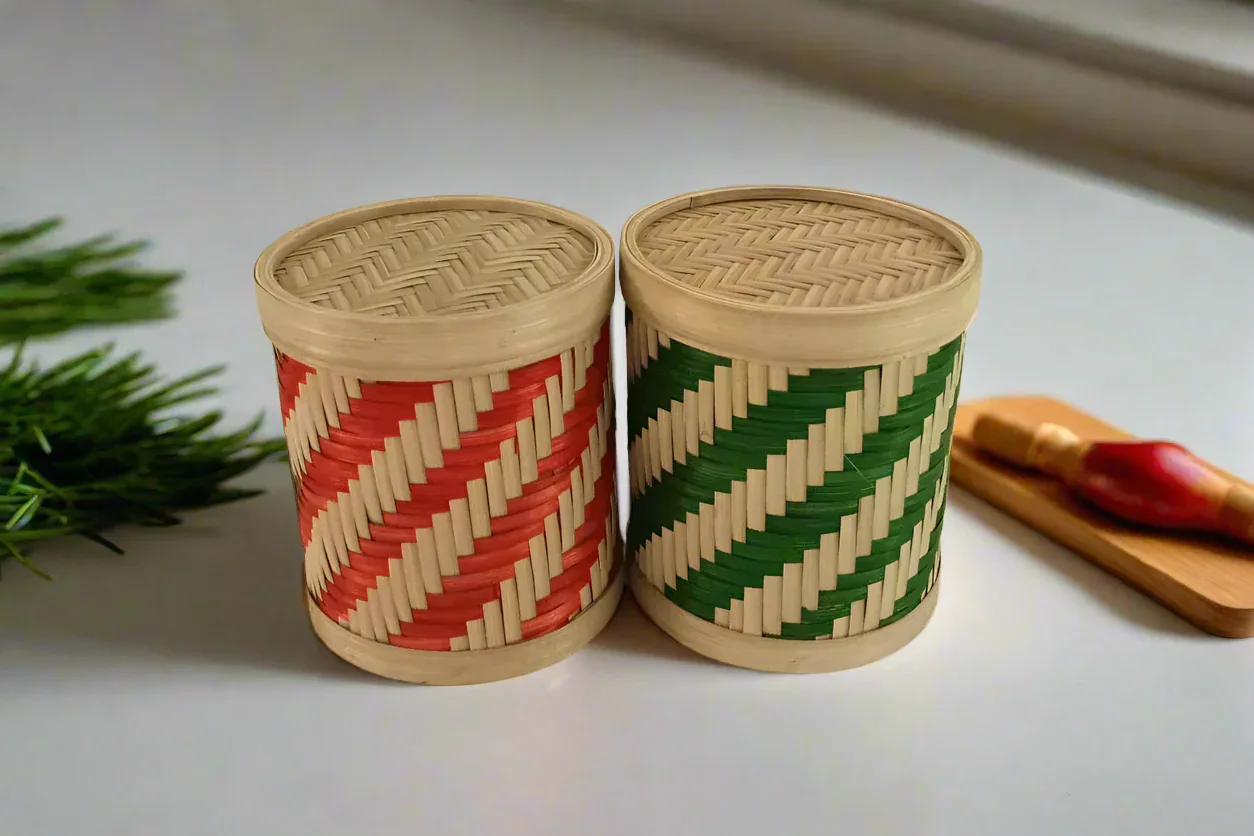
Bamboo Gift Box
What decides profit is two habits that have nothing to do with the hands.
Pricing Includes Labor, Not Just Materials
A basket that uses four pounds of seagrass and takes two hours to weave is not a four pound basket. Experienced makers price at six to ten times the material cost, because that multiple is what covers the hours, the fees, the packaging and a margin. Undercharging is the single reason most handmade businesses fold, and it is usually a failure of nerve rather than arithmetic.
Design a Product You Can Produce at Scale
A one off piece earns once. A design that can be repeated, by you or by trained hands, earns every week. The crafts that turn into businesses are the ones where the second hundred pieces are faster than the first ten, and the crafts that stay hobbies are the ones where every piece starts from nothing.
Profit Margins by Type of Craft
Margins vary more by category than by country, and the ranges below are the ones makers and small business advisers commonly quote for gross margin, before the maker’s own time is paid.
Home Decor and Candles Sit Around 60 to 75 Percent
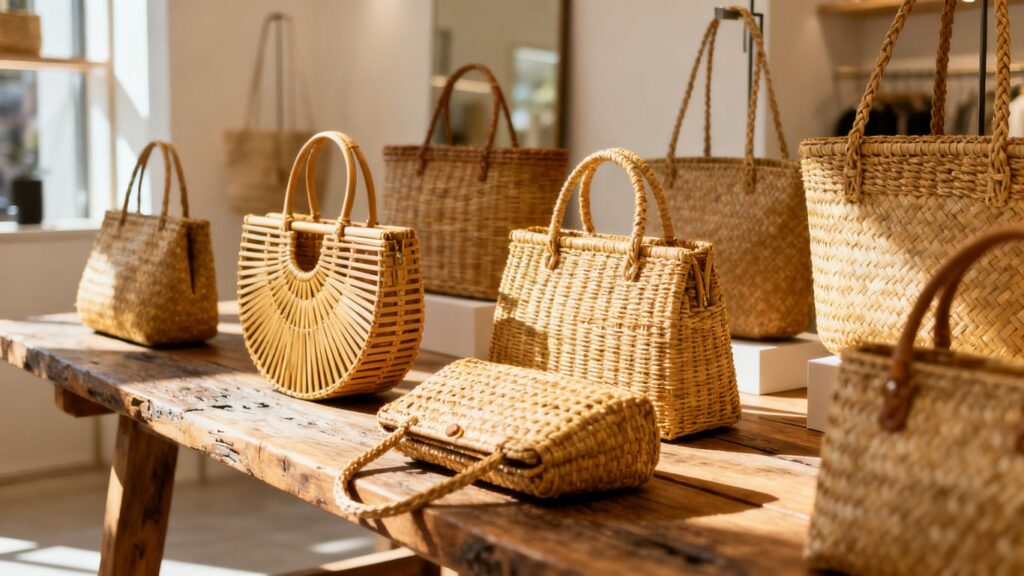
Baskets, planters, trays, candles and textiles for the home. Materials typically run 20 to 30 percent of the retail price, the products are repeatable and they sell all year. This is the category most craft villages and most of the woven export trade live in.
Jewellery and Accessories Reach 65 to 85 Percent
Low material cost, small and cheap to post, and priced on design rather than on weight of material. The risk is the size of the market, which is crowded at the low end and hard to enter at the high end.
Bath and Body Products Run 65 to 80 Percent With Repeat Buyers
Soap and candles are consumed and reordered, which no basket is. The margin is similar to home decor and the customer comes back, and that repeat purchase is why so many market stall businesses are soap businesses.
Digital Patterns Reach 85 to 95 Percent
Selling the pattern rather than the piece has no material cost and no postage. It is the highest margin in the craft world and the least like a craft, and most makers who do it use it to fund the physical side.
Why Most Handmade Businesses Struggle to Make a Profit
With margins like those, the failure rate should be low, and it is not, because three things eat the margin after the sale. Undercharging comes first, and it is the top reason handmade businesses become unviable. Time comes second: production, photography, listings, customer messages and packing add up to two full time jobs, and the hourly rate on the whole business, not just the weaving, is what matters. Scaling comes third, because a maker cannot make more hours, so a business that cannot hire, train or source stalls at whatever one pair of hands can produce. The route out of that third problem is most of how to start handicraft business properly, and it comes down to deciding early whether the product is one that other hands can make.
How to Make Handicrafts Profitable at Export Scale
The same craft at container scale is a different business with a different profit and loss. Vietnam shipped 574 million dollars of rattan, bamboo, seagrass and mat products in the first eight months of 2025 alone, according to the report on how Vietnam’s handmade goods earn 574 million dollars abroad, with the United States taking nearly half. Nobody in that trade earns 70 percent on a basket. A factory that organises hundreds of village weavers earns a steady margin on volume, and it earns it by solving two problems the maker at the market stall never faces: making six thousand pieces match one sample, and documenting the material, the audits and the packaging that a Western retailer requires before it will place an order.
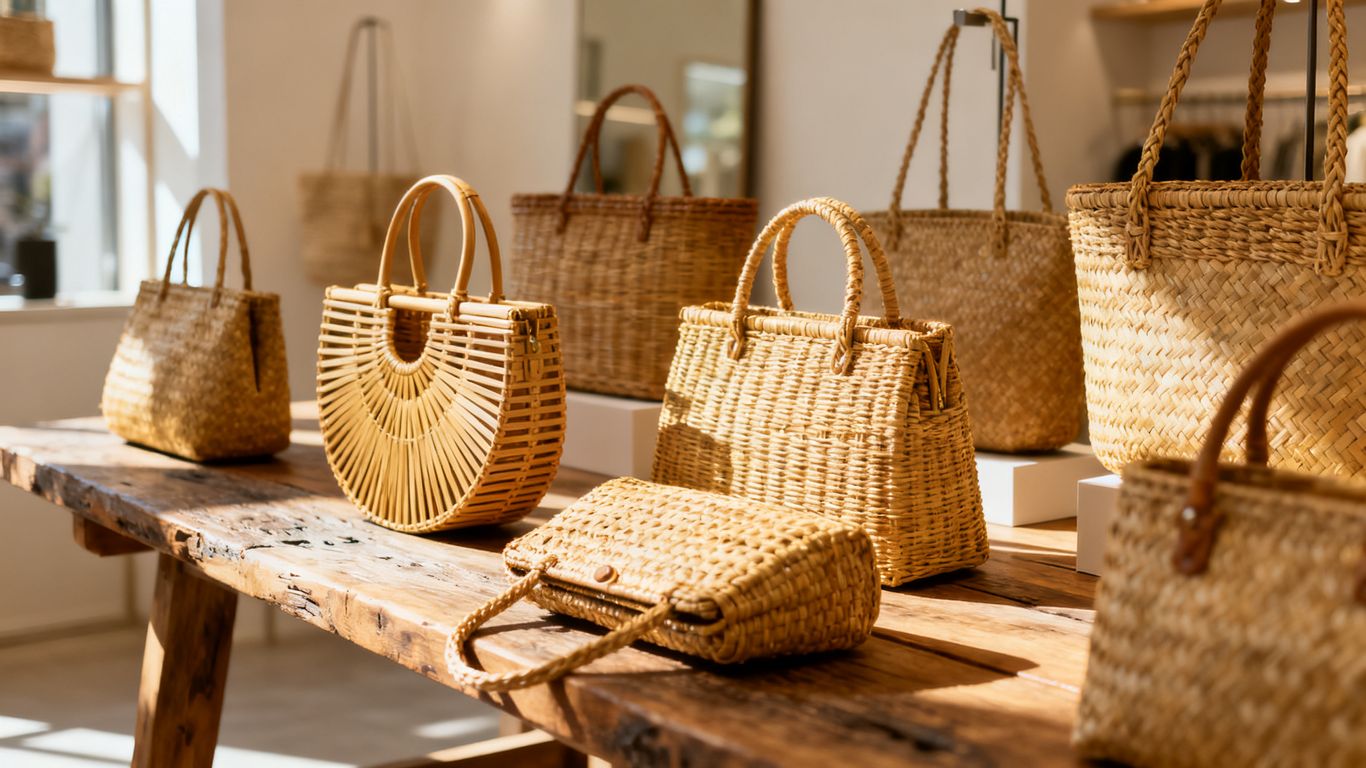
Rattan Bags Wholesale
The profit at that scale comes from repeat orders. A retailer that receives a container that matches the sample orders another one, and the factory’s margin on the fourth container is what pays for the sampling and the audits on the first. Seen as a whole, from the village stool to the export floor, what is handicraft industry is a trade whose reliable money sits at the export end.
Handicraft Business Ideas That Can Actually Grow
The handicraft business ideas worth starting share one property: trained hands can make them to a specification. Woven baskets, placemats, trays and planters are the clearest example, which is why they fill home decor shelves worldwide and why the craft villages that make them have been in business for generations. Candles, soap and simple printed textiles are another. Hand painted, carved and one off pieces are wonderful and stay small. A maker who chooses from the first group can, at the point where orders outgrow the kitchen table, source finished pieces to their own design from a factory in a craft region rather than turning away the order. That is how most home decor brands actually work, and finding a factory that will make to a brand’s design is the first conversation with any handicraft supplier worth working with.
Conclusion
Is handicraft business profitable? Yes. Home decor and candles run around 60 to 75 percent gross margin, jewellery 65 to 85, bath and body 65 to 80 and digital patterns higher still, and demand for handmade goods is growing. The businesses that fail undercharge for their time, drown in the hours around the craft, or hit the ceiling of one pair of hands. At export scale the margin per piece is smaller and the profit comes from repeat containers that match the sample. Price for your time, make something that can be made again, and decide early whether other hands will make it.
Artex Nam An is a Vietnamese handicraft manufacturer that organises more than thirty partner workshops in the craft villages around Hanoi to weave rattan, bamboo, seagrass and water hyacinth homeware to a brand’s own design, from a first sample to full containers. See how we work with new brands on our production page, or send us a photo of what you make and the quantity a customer has asked for and we will tell you honestly whether it can be made at volume.
Read more: 3 Tips To Find Trusted Wholesale Home Decor Suppliers From Vietnam
You may also be interested in
Finding the Best Rattan Furniture Manufacturers: A Buyer’s Guide
Read more...May
How Different Are Rattan vs Seagrass In Wholesale Home Accent?
Read more...Dec
Seagrass For Weaving: From Natural Fibers To Wholesale Seagrass Baskets
Read more...Oct
How to Start Handicraft Business: From a Single Product to a Container
Read more...Sep
How to Weave Bamboo Basket Walls That Stay Tight: The Three Patterns and Techniques
Read more...Sep
Laundry Basket Wholesale: A Buyer’s Guide to Natural Materials and Certified Sourcing
Read more...Aug