


No products in the cart.
Industry News
Which Country Is Famous for Handicrafts? Six Countries and What Each One Does Best
21
Sep
Sep
Ask a traveller which country is famous for handicrafts and the answer depends on where they last went on holiday. Ask a buyer who fills shelves for a living and the answer is a short list of six countries, each famous for a different thing, and the useful question is not which is best but which makes the product you need. India for textiles and metal, China for porcelain and silk, Indonesia for carved wood and rattan furniture, Vietnam for woven baskets and lacquer, Mexico for painted pottery and folk art, and Morocco and Turkey for rugs and leather. This article goes through the six, explains what makes a country famous for craft in the first place, and then answers the buyer’s version of the question: which of them can supply what you want in the quantity you want it.
Which Country Is Famous for Handicrafts
Every country has handicrafts. A handful have turned them into industries that the rest of the world buys from, and those are the ones that come up whichever way the question is asked.
India Is the Land of Handicrafts
India has the largest handicraft sector in the world by workers and by exports, and it is the first name in every list. Block printed and hand loomed textiles, embroidery, brass and copper ware, carved wood, carpets and jewellery come from craft clusters that are centuries old, from Jaipur’s printers to Moradabad’s metalworkers. For anything made from thread or metal, India is the reference.
China Is Famous for Porcelain and Silk and Lacquer
Porcelain from Jingdezhen, silk embroidery, jade carving, cloisonne and lacquerware are the crafts China has exported for a thousand years, and it still produces the finest ceramics at scale. Much of what is sold as handicraft from China today is factory made, so the buyer’s job is to tell the two apart.
Indonesia Is Famous for Carved Wood and Batik and Rattan
Bali’s woodcarvers, Java’s batik printers and the rattan furniture workshops of Cirebon give Indonesia three world class crafts. It grows most of the world’s rattan, which is why the largest rattan furniture makers are there, and its batik is on the UNESCO heritage list.
Vietnam Is Famous for Woven Baskets and Lacquer and Ceramics
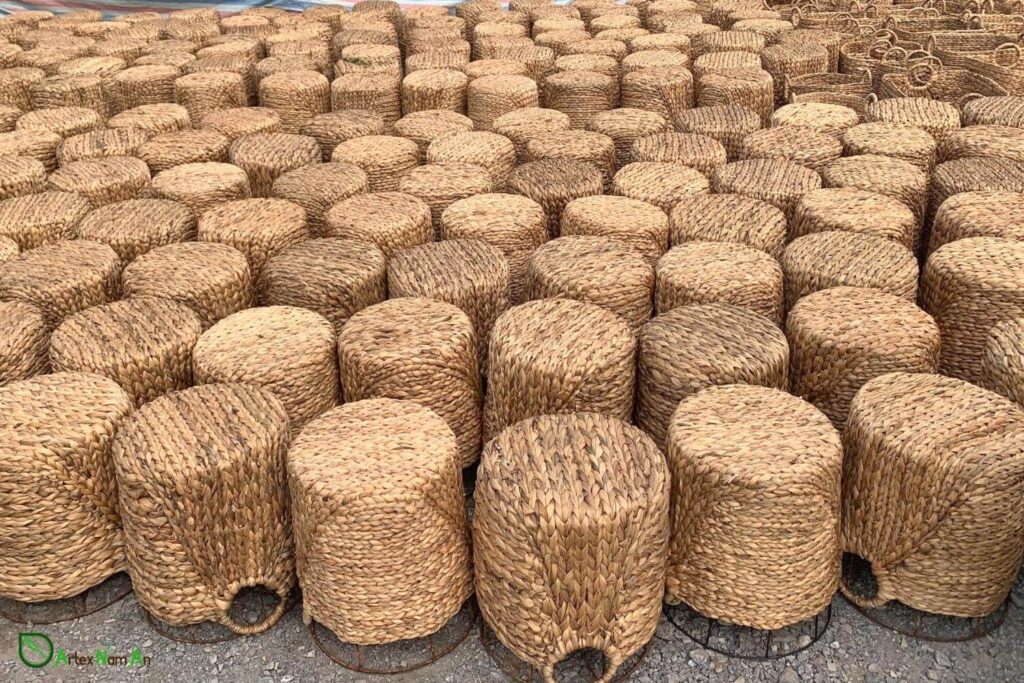
Vietnam’s craft villages, several hundred of them concentrated around Hanoi and the Red River Delta, weave rattan, bamboo, seagrass and water hyacinth into baskets, trays, placemats and lampshades for retailers across the United States, Europe, Japan and Australia.
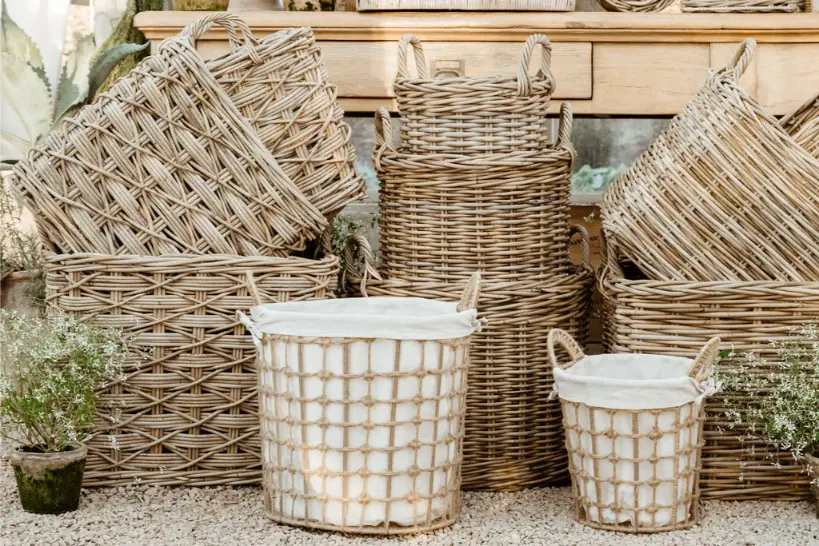
Rattan Basket Wholesale In Vietnam
Lacquerware, Bat Trang ceramics and hand loomed textiles complete the picture. Vietnam is the answer when the question is woven homeware at volume.
Mexico Is Famous for Painted Pottery and Folk Art
Talavera pottery, hand painted wooden animals called alebrijes, tin work, leather and woven textiles from Oaxaca. Mexican craft is bright, figurative and bought as much for its personality as for its use, and it supplies much of the North American folk art market.
Morocco and Turkey Are Famous for Rugs and Leather and Metal
Hand knotted rugs, tanned leather, hammered brass lanterns and mosaic tile from Morocco; carpets, kilims, ceramics and copper from Turkey. Both are craft economies that Europe has bought from for centuries, and both are strongest in floor coverings and decorative metal.
What Makes a Country Famous for Craft
The six have three things in common, and none of them is talent, which is spread evenly across the world. The first is a raw material that grows or is mined nearby: rattan in Indonesia, bamboo and seagrass in Vietnam, cotton and wool in India, clay in China and Mexico. The second is a tradition old enough that skills are learned in childhood from a parent rather than in a course, which is what a craft village is. The third is a trade route that carried the goods somewhere they were valued, whether the Silk Road, the Spanish galleons or a container line to Los Angeles. A country becomes famous for handicrafts when all three line up.
Which Countries Are Best Known for Handicraft Manufacturing at Scale?
A tourist and a buyer ask the same question and want different answers. The buyer needs a country that is famous for the right product and can also produce six thousand of it that match, with the paperwork a Western retailer requires. On that test the six sort themselves by product. India for textiles, rugs and metalware at volume. Indonesia for rattan furniture and carved wood. Vietnam for woven baskets, trays, placemats and lampshades, which is why the wicker basket manufacturers supplying Western retailers are almost all Vietnamese. China for ceramics. Mexico and Morocco for folk art and rugs in smaller runs, where the charm is in the variation.
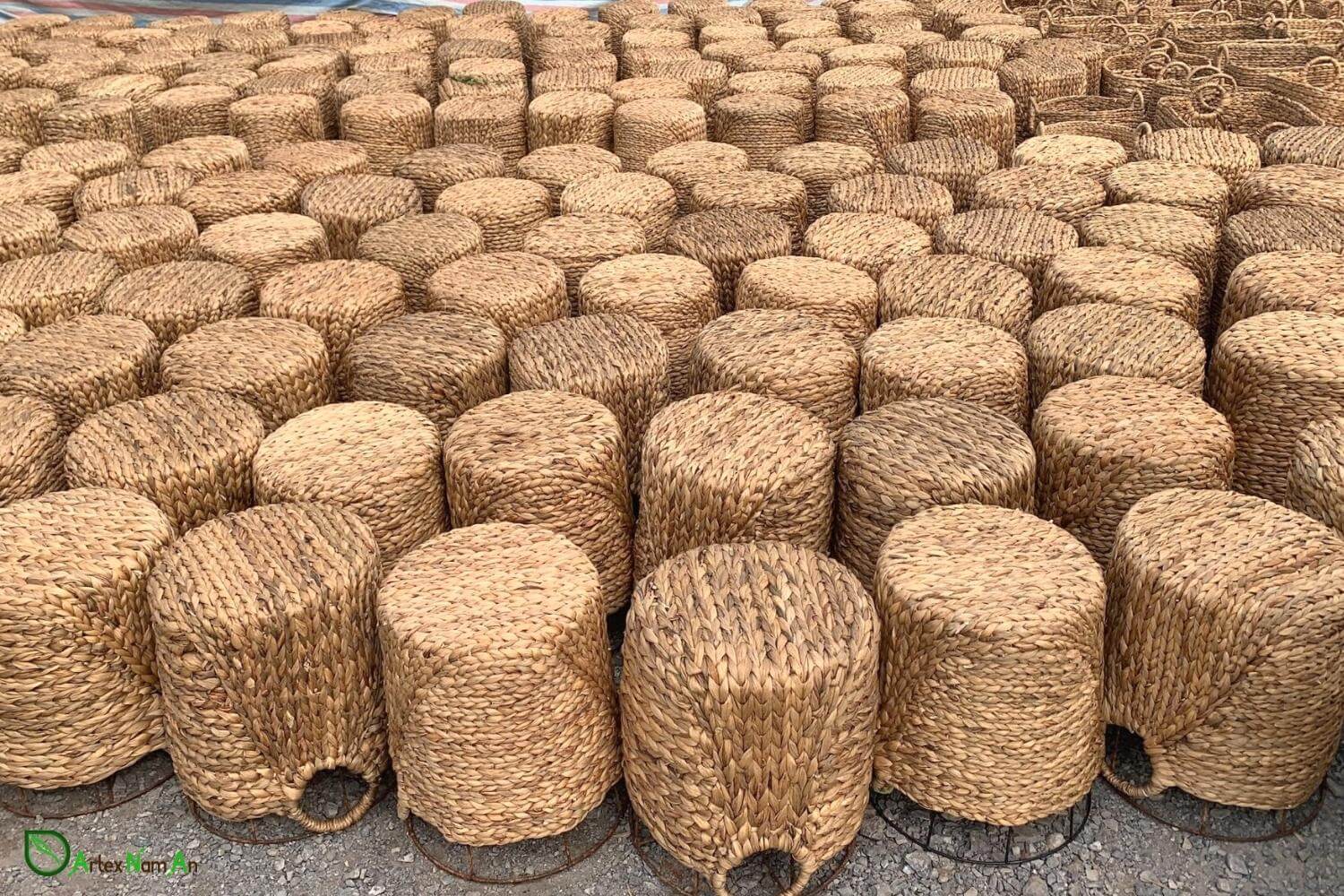
Wicker Baskets Bulk In Vietnam
The second half of the test is the difference between a workshop and a factory. A famous craft country has thousands of small workshops, and a buyer cannot place a container order with a workshop. What has grown up in each country is a layer of manufacturers that organise the workshops, grade and treat the material centrally, inspect and pack, and carry the audits and certificates. What that looks like on the ground, from material sorting to the inspection line, is easier to picture after a walk through a modern handicraft factory, and it is the reason a buyer can now order from a craft village at all.
Where Vietnam Sits on the List
Vietnam is the youngest export economy on the list and the one growing fastest in woven homeware. Its advantages are the ones above: rattan, bamboo, seagrass and water hyacinth that grow within a day’s drive of the villages, weaving learned in childhood across hundreds of craft villages, and a container line to every major market. Its export of rattan, bamboo and seagrass goods passed half a billion dollars in the first eight months of 2025, with the United States taking nearly half. For a buyer of baskets, trays or placemats, Vietnam is where the question which country is famous for handicrafts stops being a travel question and becomes a sourcing one, and understanding what is handicraft industry as a whole, from the village stool to the export floor, is worth an hour before deciding where to start.
Conclusion
Which country is famous for handicrafts? Six of them, each for something different: India for textiles and metal, China for porcelain and silk, Indonesia for carved wood and rattan furniture, Vietnam for woven baskets and lacquer, Mexico for painted pottery and folk art, and Morocco and Turkey for rugs and leather. A country earns the reputation when a local material, a childhood tradition and a trade route line up. For a buyer the question is which country makes the product you need at the volume you need it, and for woven homeware that answer is Vietnam.
Artex Nam An is a Vietnamese handicraft manufacturer that organises more than thirty partner workshops in the craft villages around Hanoi to weave rattan, bamboo, seagrass and water hyacinth homeware for retail and hospitality buyers worldwide. See how the villages and the factory work together on our production page, or tell us what you want made and how many and we will show you the floor before we quote.
Read more: Transforming Livelihoods through One Million Bamboo Trees
You may also be interested in
The Complete Guide to Sourcing Sustainable Bamboo Gift Boxes Wholesale
Read more...Jul
Premium Rattan Basket Wholesale from Vietnam’s Trusted Manufacturer
Read more...Jun
How to Source From Top Wicker Furniture Manufacturers for Global Retail
Read more...Jun
Sustainable Rattan Bags Wholesale for Fashion and Lifestyle Brands
Read more...Jul
Laundry Basket Wholesale: A Buyer’s Guide to Natural Materials and Certified Sourcing
Read more...Aug
Why Custom Brands Trust a Dedicated Wicker Furniture Supplier for OEM Production
Read more...May