



No products in the cart.
Industry News
Serving Trays Bulk: A Material and Sourcing Guide for Retail Buyers
12
Aug
Aug
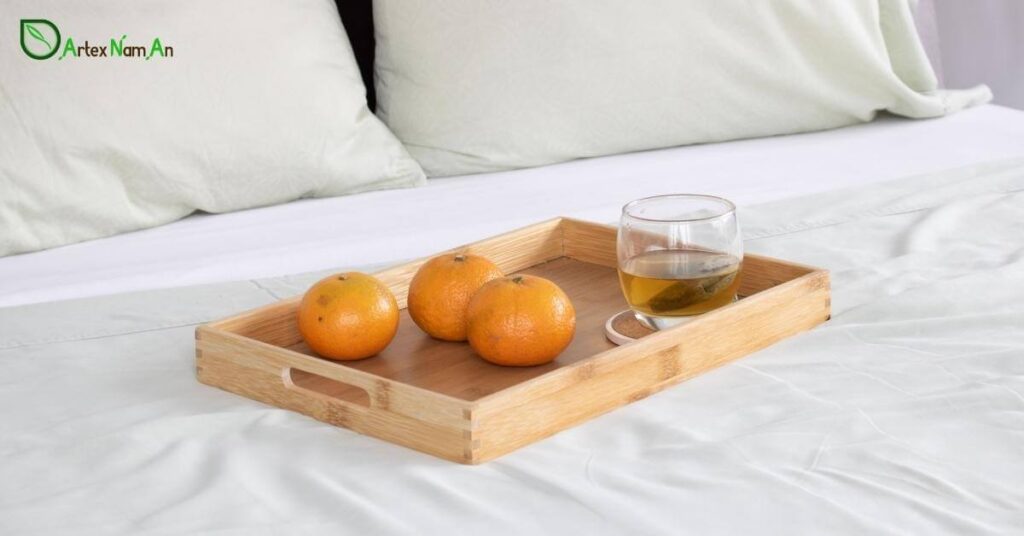
Serving trays rarely get the same sourcing scrutiny as furniture, yet a poorly matched material choice shows up just as fast, whether that means a finish that dulls after a month of daily washing or a handle joint that gives out under commercial use, which is exactly why serving trays bulk buyers benefit from understanding the material tradeoffs before requesting a single quote. The category spans a wider range than most buyers expect, from lightweight bamboo pieces built for everyday kitchen rotation to heavier rattan and wood options meant to anchor a styled presentation, and picking the wrong one for your use case is one of the most common, avoidable mistakes in a bulk order. This guide walks through the materials, durability tradeoffs, and supplier questions that separate a serving trays bulk order that reorders well from one that quietly generates returns.
Why Serving Trays Bulk Sourcing Demands Material Expertise
When procurement managers and interior designers evaluate serving trays bulk sourcing, the decision extends far beyond price per unit. The choice of raw material determines durability, appearance, weight tolerance, and how the finished product will perform across different climates and usage environments. We have found, through decades of working with artisans across Vietnam, that buyers who understand the fundamental properties of each material make far more confident decisions when placing serving trays bulk orders and avoid costly returns.

Why Serving Trays Bulk Sourcing Demands Material Expertise
Natural material homeware has surged in popularity among global retail chains, department stores, and hospitality buyers seeking to align with sustainability commitments. However, not all natural materials behave the same way, and matching the correct material to the correct end use is essential for long-term customer satisfaction.
Bamboo: The Benchmark for Serving Trays and Kitchenware
Bamboo remains one of the most requested materials for serving trays bulk and bamboo serving trays wholesale programs due to its combination of strength, light weight, and food-safe properties when properly treated. Bamboo grows rapidly, renewing itself within three to five years, which makes it an inherently sustainable resource compared to slow-growing hardwoods.
For retailers exploring bamboo baskets wholesale alongside trays wholesale programs, we recommend verifying that suppliers use FSC-certified bamboo sources. This certification confirms that the bamboo was harvested through responsible forest management practices, an increasingly important requirement for European and North American retail buyers.
Seagrass and Water Hyacinth: Lightweight Woven Solutions
Seagrass and water hyacinth are prized for their flexibility and natural texture, making them ideal for woven placemats bulk orders, storage baskets, and decorative accents. Seagrass is harvested from coastal wetlands and offers a smooth, cool texture that resists moisture better than many other natural fibers.
Water hyacinth, an invasive aquatic plant in many Southeast Asian waterways, has become a favored material precisely because harvesting it for handicraft production also supports local waterway management. Retailers sourcing wholesale wicker baskets often blend water hyacinth with rattan or bamboo framing to increase structural rigidity while maintaining an organic, handwoven appearance.
Rattan: Structural Strength for Furniture and Decor
Rattan is a climbing palm that, unlike bamboo, is solid rather than hollow, giving it exceptional strength-to-weight ratio for furniture applications. This is why rattan furniture manufacturers rely on it heavily for chairs, tables, and decorative room dividers that must bear weight while remaining visually light.
Beyond furniture, rattan is frequently woven into lamp shades manufacturer product lines, wall art, and wholesale hanging planters, where its natural flexibility allows for intricate, sculptural shapes that synthetic materials struggle to replicate authentically.
Jute and Fiber Blends: Complementary Textile Applications
Jute fiber is often paired with woven natural materials to create textured accents, rug bindings, and reinforced handles on baskets and trays. While jute itself is less commonly used for rigid homeware, it plays an important supporting role in finishing details that enhance the tactile appeal of a finished product line.
Understanding Compliance Certifications in Handicraft Sourcing
For B2B buyers, certifications are the clearest signal of a supplier’s operational integrity. BSCI, SMETA, and Sedex audits evaluate labor practices, working conditions, and social responsibility across a manufacturer’s supply chain. These audits are typically required by major global retail chains before any purchase order is finalized.
FSC certification, meanwhile, addresses environmental responsibility by confirming that wood and bamboo materials originate from responsibly managed forests. When evaluating any handicraft supplier for serving trays bulk orders, we advise procurement teams to request current audit reports and certificates directly, rather than relying solely on marketing claims.
Balancing Traditional Craftsmanship with Industrial Scale
One of the more nuanced challenges in sourcing natural homeware at volume, including serving trays bulk programs, is preserving the handwoven character that makes these products desirable while still meeting the delivery timelines and consistency required for retail distribution. Traditional handweaving techniques, passed down through generations of artisans, cannot be fully automated without losing the texture and character that differentiates handcrafted goods from mass-produced alternatives.
This is precisely why a strong handicraft manufacturer network matters. By coordinating production across many skilled artisan groups simultaneously, rather than relying on a single workshop, it becomes possible to fulfill large purchase orders while maintaining consistent quality standards across every unit.
Caring for Natural Material Homeware
Retailers and interior designers frequently ask how to advise end customers on maintaining natural homeware. Bamboo and rattan products should be kept away from prolonged direct sunlight and excessive moisture, which can cause warping or fading over time. A light wipe with a slightly damp cloth, followed by immediate drying, is generally sufficient for routine cleaning.
Caring for Natural Material Homeware
Woven seagrass and water hyacinth items benefit from occasional airing in a well-ventilated space to prevent moisture buildup, particularly in humid climates. Providing simple care instructions alongside retail packaging can significantly extend product lifespan and reduce return rates related to perceived quality issues.
Matching Materials to Market Segments
Different buyer segments tend to gravitate toward specific materials. HORECA buyers often prioritize bamboo serving trays wholesale for their durability under frequent handling, while premium home decor brands may favor rattan and water hyacinth for their aesthetic warmth. Supermarket chains and department stores frequently seek a diversified assortment spanning serving trays bulk, wholesale wicker baskets, and woven placemats bulk to serve varied customer preferences within a single seasonal collection.
Understanding these segment-specific preferences allows buyers to build assortments that perform well across multiple price points and use cases, rather than committing entirely to a single material category.
Conclusion
Sourcing serving trays bulk successfully requires more than comparing unit prices across suppliers. It demands a genuine understanding of natural material properties, ethical compliance standards, and the craftsmanship that distinguishes authentic handwoven products from imitations. We believe that informed buyers make better long-term partners, and we are committed to sharing the material knowledge that supports smarter procurement decisions across the global home decor and hospitality sectors.
With over 1,000 skilled artisans across 12 provinces in Vietnam, backed by BSCI, SMETA, Sedex, and FSC certifications, our production network is built to deliver both the authenticity buyers expect and the compliance standards global retail requires for any serving trays bulk program. Contact the enterprise export team at Artex Nam An today to request our latest catalog or discuss your custom OEM/ODM handicraft project.
Read more: Laundry Basket Wholesale: A Buyer’s Guide to Natural Materials and Certified Sourcing
You may also be interested in
Ocean Freight Rates Continue to Skyrocket in 2021
Read more...Aug
3 Helpful Things You Should Know To Buy Wholesale Seagrass Baskets From Vietnam
Read more...Jun
Transforming Livelihoods through One Million Bamboo Trees
Read more...Aug
How to Make Bamboo Basket Step by Step: A Beginner Guide
Read more...Aug
A Complete Sourcing Guide to Finding Premium Picnic Baskets Wholesale
Read more...Jun
Outdoor Furniture Suppliers: The Four Kinds, Where to Find Them and How to Compare Them
Read more...Oct